
Quercetin effects: health & safety in focus

1. Introduction: quercetin and its effects
Quercetin is a versatile plant compound valued in natural medicine and scientific research for its many health benefits and virtually no side effects. As a powerful antioxidant, it protects cells from damage caused by free radicals and plays an important role in fighting inflammation. But that is not all: quercetin may support gut health, have a positive effect on mental wellbeing, help with weight loss and histamine intolerance, and is even being studied in cancer research.
In this article, we take an in-depth look at the effects of quercetin and explore how this plant compound may help in specific areas of health. We also look at personal accounts, possible side effects and quercetin’s safety, to give you a comprehensive picture.
Whether you’re considering it as part of your diet or as a food supplement, this article covers the key facts, scientific background and practical tips.
In our article “What quercetin is good for and where it is found”, you can also discover which plants are rich in quercetin and how to include them in your everyday diet.
Contents
- Introduction: quercetin and its effects
- Quercetin’s effects in specific areas of health
- Experiences and safety
- Conclusion: more than an antioxidant
2. Quercetin’s effects in specific areas of health
The effects of quercetin go well beyond those of a conventional antioxidant. It supports a range of specific areas of health and is the subject of intensive scientific research. Its role in promoting gut health and positively influencing mental wellbeing, as well as its potential use in cancer research, is particularly noteworthy.

2.1. Quercetin and its effects on the gut
Quercetin plays an important role in promoting gut health. Its antioxidant and anti-inflammatory properties help maintain the integrity of the gut barrier and ease inflammatory bowel conditions. Studies show that it may inhibit the production of pro-inflammatory cytokines and promote the expression of tight-junction proteins (which regulate the movement of water and dissolved substances). This can reduce intestinal permeability and strengthen the barrier function.
Put simply, quercetin helps keep your gut healthy by fighting inflammation and strengthening your gut wall. It helps prevent harmful substances from passing through the gut wall into your body. It has antioxidant and anti-inflammatory effects, which are particularly important in inflammatory bowel conditions. Quercetin reduces pro-inflammatory substances in the gut and supports special proteins called tight-junction proteins, which act as a protective shield to keep the gut wall sealed. This makes your gut more resilient and helps it work better.
Quercetin also has a positive effect on the composition of the gut microbiota by promoting the growth of beneficial bacteria and inhibiting harmful microbes. This supports a healthy microbiome, which is essential for overall health and wellbeing.
Regularly eating foods rich in quercetin can therefore make a valuable contribution to gut health and counter inflammatory processes in the digestive tract. Find out more in our article about quercetin in foods.
2.2. Quercetin and its effects on mental wellbeing
Quercetin may benefit not only your body but also your mental wellbeing. Studies suggest that its antioxidant and anti-inflammatory properties help protect the brain from damage caused by oxidative processes. Oxidative stress is linked to mental health conditions such as depression and anxiety disorders. Quercetin works by reducing inflammation in the central nervous system, thereby supporting neuronal function.
Studies also show that quercetin may regulate the release of stress hormones such as cortisol, making it a potential active compound for treating stress-related disorders. These effects suggest that quercetin may help ease the symptoms of depression and anxiety and at the same time improve overall mental wellbeing.
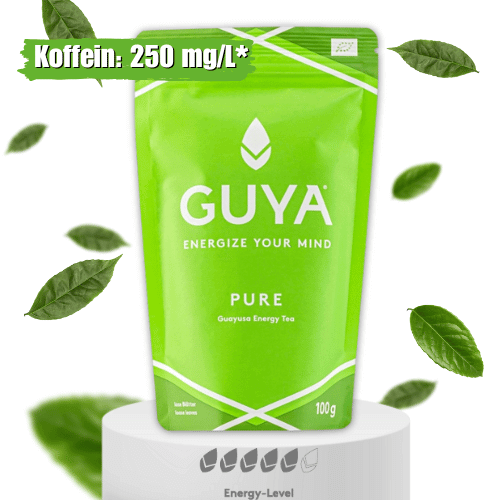
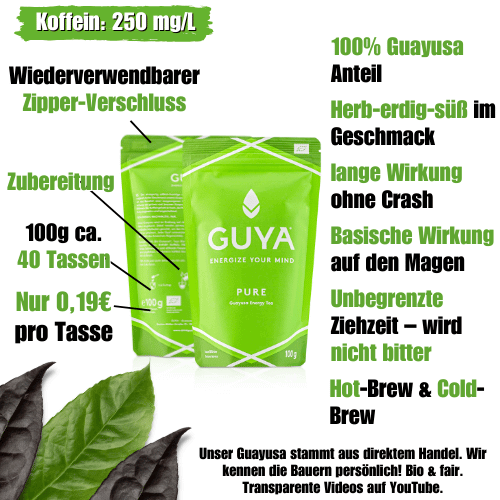
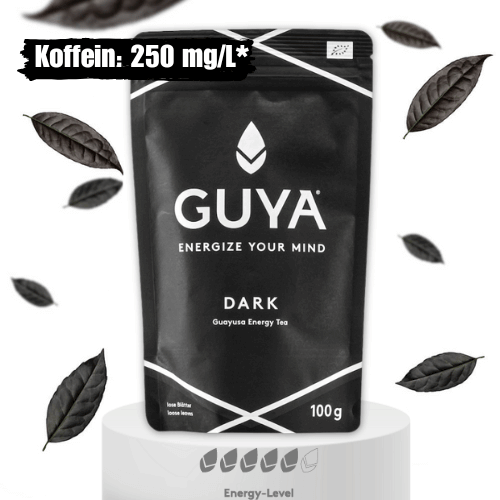
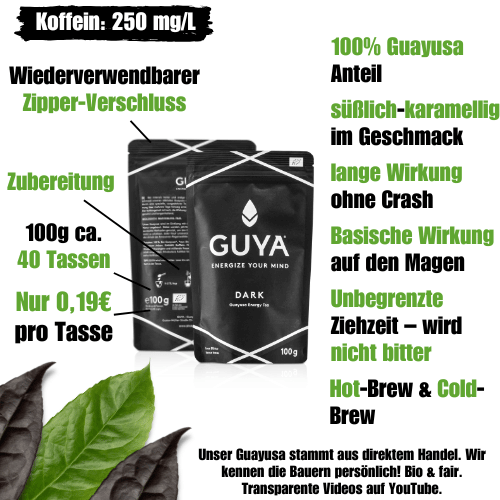
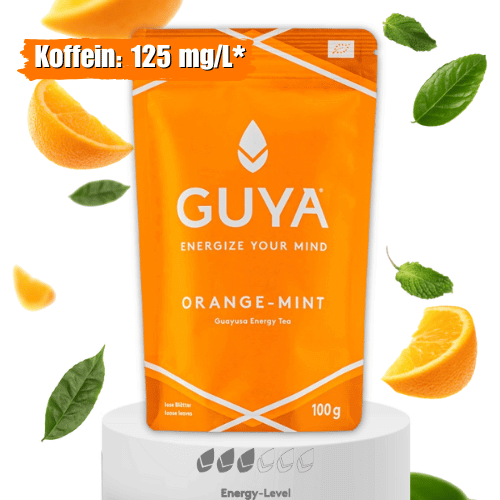
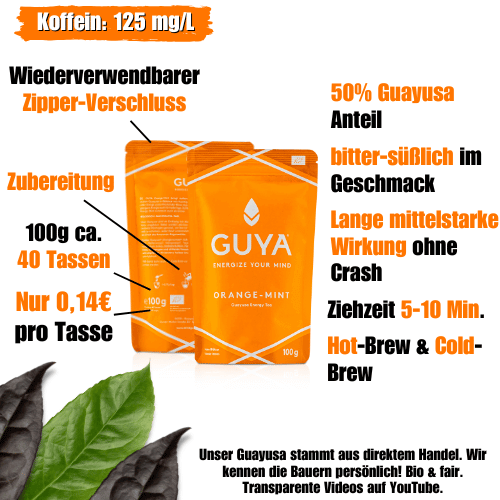
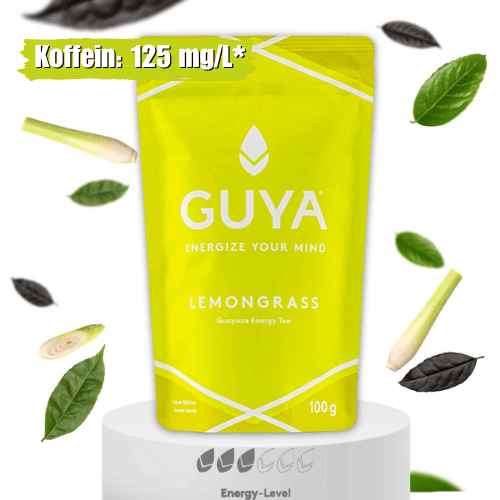
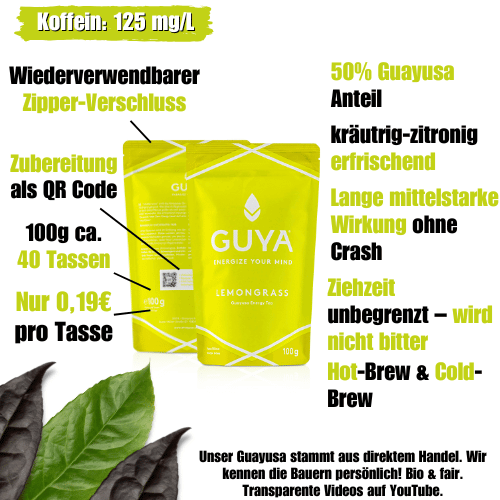
Quercetin may help protect your brain, reduce stress and contribute to mental balance. To benefit from it, include quercetin-rich foods such as berries, apples and onions in your diet. You can also choose natural drinks such as guayusa tea and lemongrass tea, which offer further mood-boosting properties.
2.3. Quercetin and its role in weight loss
Quercetin may also support weight loss, which for many people is an important part of feeling good mentally, by positively influencing several processes in the body. Scientific research shows that quercetin may boost metabolism and promote fat burning. It supports the activity of enzymes that break down fat cells, while also inhibiting the formation of new fat cells.
Quercetin also has anti-inflammatory properties, which are important in obesity. Obesity is often linked to chronic inflammation, which can negatively affect metabolism. Quercetin helps reduce inflammation and improve insulin sensitivity, which may in turn positively affect fat distribution in the body. [Source]
In short, quercetin may help your body burn fat more efficiently and support overall metabolic health.
2.4. Quercetin in cancer research

Quercetin has attracted considerable attention because of its potential anti-cancer properties. It acts as an antioxidant and protects cells from DNA damage caused by free radicals. Studies also show that it may inhibit the growth of cancer cells and promote programmed cell death (apoptosis) in tumour cells without damaging healthy cells.
The use of quercetin in certain cancers, such as breast, lung and bowel cancer, is particularly promising. Quercetin is thought to inhibit pro-inflammatory molecules around tumours, potentially slowing the progression of the disease. It may also enhance the effects of certain chemotherapy treatments while reducing their side effects. [Source]
Although research is still at an early stage, these findings offer promising avenues for future cancer treatment.
Notable studies on quercetin and cancer
Here are five notable study findings illustrating quercetin’s potential in the prevention and treatment of cancer:
- Inhibiting tumour growth by affecting the mTOR signalling pathway: An LMU Munich dissertation examined how quercetin affects the mTOR pathway, which plays a key role in cell proliferation. The results showed that quercetin may inhibit tumour growth by modulating this pathway. [Source]
- Changing DNA methylation in tumour cells: A review highlights that quercetin may alter DNA methylation patterns in tumour cells, thereby inhibiting tumour growth. These epigenetic changes could offer new therapeutic approaches. [Source]
- Reducing polyps in people with familial adenomatous polyposis: One study found that a combination of curcumin and quercetin significantly reduced the number and size of polyps, suggesting a preventive effect against bowel cancer. [Source]
- Regulating signalling pathways in cancer cells: Quercetin modulates several pathways in cancer cells, including PI3K/Akt/mTOR and Wnt/β-catenin, reducing cell proliferation and increasing apoptosis. [Source]
- Potential to prevent stomach cancer: A case-control study in Sweden found that higher quercetin intake was associated with a lower risk of stomach cancer. [Source]
These studies highlight quercetin’s potential as a supportive agent in cancer prevention and treatment.
2.5. Quercetin and histamine intolerance
Quercetin has also proved highly effective for people with histamine intolerance. It works by inhibiting the release of histamine from mast cells—a process that can trigger symptoms such as headaches, skin rashes or digestive problems in sensitive people. [Source]
Quercetin also reduces the activity of enzymes such as histidine decarboxylase, which is responsible for producing histamine. This may help lower the amount of histamine in the body and ease the symptoms of histamine intolerance. [Source]
Put simply, quercetin helps ease the unpleasant effects of histamine intolerance by regulating histamine production and curbing inflammatory processes.
3. Experiences and safety
Quercetin is commonly used as a food supplement and is well tolerated by many people. It is known for its wide-ranging health benefits, but as with any active substance, people’s experiences and safety considerations vary and should be taken into account.
The following sections look at personal accounts and possible side effects, and answer the question of whether quercetin can be dangerous. This will give you a comprehensive overview of the safety and use of this natural plant compound.
3.1. Reports of people’s experiences with quercetin
Users report positive effects, particularly relief from allergy symptoms and inflammatory complaints. Some say quercetin helped them get through allergy season without the need for usual antihistamines. Others say their chronic joint pain was eased by quercetin, allowing them to stay active into older age.
In another account, a user says a naturopath recommended quercetin to ease inflammation and that it did provide relief. They now take it regularly as a food supplement.
Scientific studies support these positive accounts. One study of cyclists found that taking 1,000 milligrams of quercetin per day for seven days slowed fatigue by 13.2 per cent, suggesting a performance-enhancing effect. [Source]
However, it’s important to remember that people may respond differently to quercetin. While many users report positive effects, others notice no discernible change. You should also discuss the dosage and use with a healthcare professional to avoid possible interactions or side effects.
3.2. Possible side effects of quercetin

Quercetin is generally considered safe, particularly when consumed in food. However, high doses or individual sensitivity may cause side effects.
Here are some of the most common unwanted effects mentioned in scientific studies and personal accounts:
- Headaches: Some users report headaches after taking quercetin, particularly at higher doses. [Source]
- Digestive problems: Nausea, stomach pain or diarrhoea may occur in sensitive people or when taking high doses. [Source]
- Numbness or tingling: Sensory disturbances such as tingling in the limbs have been observed in rare cases. [Source]
- Kidney problems: Very high doses could put strain on the kidneys, particularly in people with existing kidney disease. [Source]
Some users share their experiences with quercetin on forums. One user on rheuma-online.de says they take quercetin for inflammatory pain and allergies, without experiencing side effects. Another user on medpex.de says a naturopath recommended quercetin and that they tolerate it well.
It’s important to remember that individual responses vary. People with existing health conditions, particularly kidney disease, should consult a doctor before taking quercetin. Do not exceed the recommended dose, to minimise the risk of side effects.
4. Conclusion: more than an antioxidant
Quercetin is a versatile plant compound with positive effects on many areas of health. As an antioxidant, it protects cells from damage, has anti-inflammatory effects and strengthens the immune system. It may also offer benefits for gut health, mental wellbeing and even cancer prevention.
Because quercetin is naturally found in foods such as red onions, berries, apples and capers, it’s easy to include in your everyday diet. Drinks such as lemongrass tea, guayusa tea and hibiscus tea also offer a flavourful way to enjoy the benefits of this plant compound.
Although quercetin is well tolerated, if you take it as a food supplement, follow the recommended dose and consult a doctor if in doubt.
Overall, quercetin has great potential that you can make use of through a balanced diet and targeted use.