
The value of biodiversity: why diversity can pay off

🌿 At a glance
- More than a harvest: biodiversity brings economic and ecological perspectives together.
- Research made clear: what mixed forests show, and why yield is not the same as profit.
- From figures to origins: the connection to guayusa and Ecuador's Chakra systems.
1. Introduction: The value of living diversity
Biodiversity has economic value, too. A landscape provides more than saleable harvests or timber. It also sustains the natural conditions that make production possible in the first place. To judge whether biodiversity “pays off”, we need a closer look at yields, costs, risks and benefits that never appear on an invoice.
This article explains how those perspectives differ and what research on mixed forests shows. For a practical look around a diverse farming system, explore our companion article on forest gardens instead of monocultures.
2. Biodiversity's value goes beyond the price of a harvest
Biodiversity includes the variety of species, genetic diversity within species and the diversity of ecosystems. Species diversity is one important part of it. Discussing economic value does not mean putting a price tag on every plant. It means making visible what can be lost when diversity is removed from a landscape.
Three perspectives help us frame the question:
- The business: Which products can be sold? What work, costs and revenue are involved?
- Long-term land management: How well can the land remain productive as the climate, prices or other conditions change?
- Society: Which ecosystem benefits also reach people who do not own the land?
A production method that is inexpensive in the short term may leave long-term costs out of the picture. Conversely, ecologically valuable land is not automatically well rewarded. Between these two points lies the interesting question: how can the value of living diversity also become a viable economic opportunity?
3. What does research on mixed forests show?
An international meta-analysis presented in 2018, involving the Technical University of Munich, examined the relationship between tree-species mixtures and wood production. It evaluated 126 case studies at 60 sites across five continents, measuring growth in stemwood volume. Mixed stands showed productivity advantages, particularly where water availability was favourable. The combination of tree species and conditions at the site play important roles. Read TUM's summary and find the original publication.
This matters because it challenges a familiar opposition: conservation on one side, productive use on the other. An appropriate mix can bring the two together. Wood growth alone does not, however, tell us the profit of an individual business. That calculation also needs factors such as maintenance, harvesting costs, selling prices and the period being assessed.
4. Yield is not profit: four questions for a fair assessment
4.1. What is actually being measured?
Tonnes of crops, cubic metres of timber, revenue and profit are different measures. When a study reports higher productivity, it should be clear which measure is meant. Higher revenue may, for example, come with more work. A sound assessment makes both visible.
4.2. What period are we looking at?
Establishing a diverse system, maintaining it and harvesting from it do not necessarily happen in the same year. An assessment should therefore make clear whether it covers one harvest or several years. Otherwise, we may be comparing the establishment phase of one system with the settled operation of another.
4.3. How dependent is the business?
When several products are involved, ask whether they genuinely have different sales channels or ultimately depend on the same market. Equally important: can local people process, store and sell those products? Diversity in the field and diversity of income are closely connected, but they are not identical.
4.4. Who bears the costs, and who benefits?
A calculation based only on selling prices cannot answer every question. A fuller assessment should also state which landscape benefits are counted and which are not. It should consider whether the people who maintain a system actually share in the value it creates.
This turns “biodiversity pays” into a claim we can examine: ask about the measure, period, conditions and beneficiaries. That tells us more than a large percentage without a traceable basis.
5. What does this have to do with guayusa from Ecuador?
The Amazonian Chakra is a tangible example of diversity in land use. FAO describes this traditional agroforestry system in Ecuador's Napo province as a combination of different crops and forest structures. Alongside plants for household use, it includes commercial crops such as cocoa, coffee and guayusa. Learn more about the Chakra system from FAO.
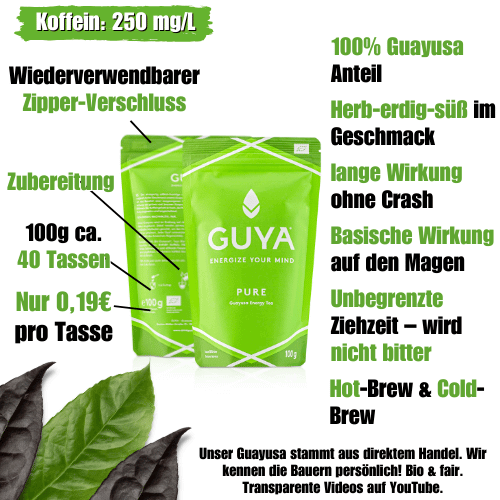
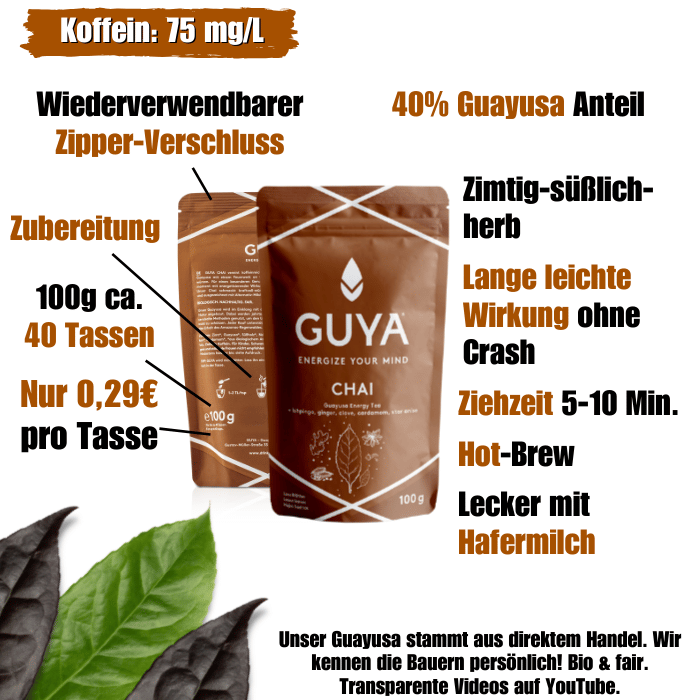
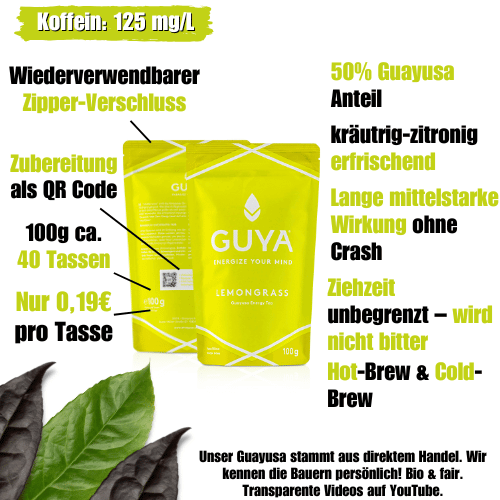
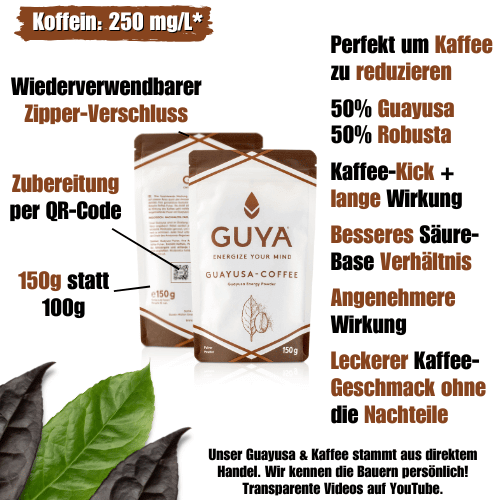
At GUYA, this connection between product and origin is central. Guayusa reaches your cup as tea, but behind it are a farming system, knowledge and people. To see what these systems look like on the ground, visit our forest-garden article with insights from Ecuador.
The economic questions remain concrete: which products find buyers? What processing can happen locally? And what cooperation helps diverse land remain viable to manage over time? These questions take transparency about origin beyond a beautiful nature photograph.
6. Frequently asked questions about biodiversity's economic value
Is biodiversity the same as species diversity?
Not quite. Species diversity is part of biodiversity, alongside genetic diversity and different ecosystems. For an accessible overview, read why biodiversity begins in your cup.
Are mixed forests always more profitable than monocultures?
Research shows advantages under the conditions studied. Whether those become higher profits locally also depends on management and marketing. What matters is comparing appropriate systems over a meaningful period.
How can I recognise a well-supported sustainability claim?
Look for specific origins, traceable sources and a clear explanation of what was measured. Project figures should identify a time period. Images and videos can illustrate cultivation, but they do not replace an economic assessment.
7. Understand diversity. Choose origins more consciously.
Nature's value cannot be reduced to money. A careful economic assessment can nevertheless show why preserving diversity is worthwhile. For your own shopping, it begins with a simple question: what kind of system does my product come from?
🌿 Discover diversity with a sense of place.
Discover the GUYA range and the stories behind our products. →