
Make your own lemongrass tea: 5 recipes & effects

1. Introduction
Lemongrass tea is loved for its refreshing flavour and potential health benefits. Drink it on its own, with ginger, or combined with nettle or lime: there are plenty of quick, easy ways to make it at home.
In this article, you’ll find recipes for lemongrass and ginger tea, which supports digestion and the immune system, nettle and lemongrass tea, which helps with detoxification, and a fruity, refreshing lemongrass and lime tea, as well as a basic alkaline lemongrass tea recipe.
At the end, you’ll also find an overview of the effects of each lemongrass tea recipe, so you can choose the right tea for the day.
For histamine-free tea recipes, we have a separate article: Discover 7 histamine-free lemongrass tea recipes.
Contents
- Introduction
- Choosing the right lemongrass
- The best homemade lemongrass tea recipes
- The effects of lemongrass tea
- Conclusion
2. Choosing the right lemongrass
The quality of lemongrass depends largely on its origin and how it is grown. Although lemongrass from monocultures may be cheaper, this farming method has significant environmental drawbacks. Monocultures can damage biodiversity, deplete the soil and disrupt the natural balance of ecosystems. That’s why it’s important to choose sustainably grown lemongrass, ideally from permaculture farms rather than relying on organic certification alone!
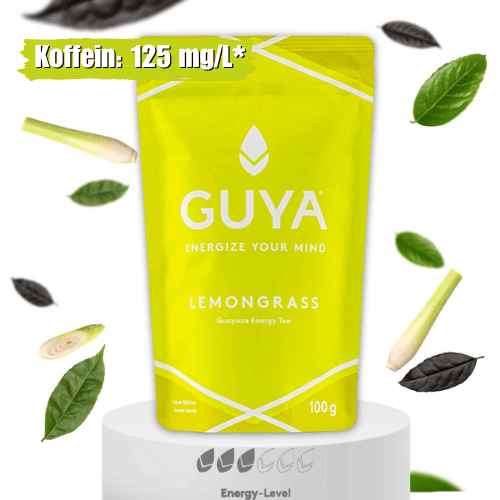
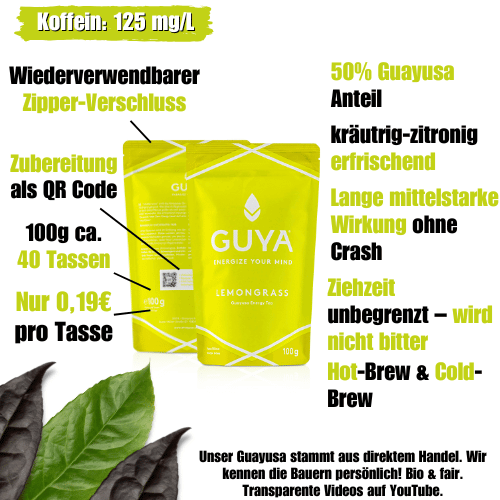
Lemongrass grown using permaculture methods, such as that from GUYA, is cultivated in harmony with nature. This approach protects biodiversity and helps the soil regenerate naturally. Sustainable cultivation also gives the lemongrass a more intense flavour, which works beautifully in our tea recipes. Every purchase of GUYA lemongrass tea also supports Indigenous Kichwa communities in the Amazon rainforest.
For more information about where lemongrass comes from, read our linked in-depth article. If you’d like to see how our GUYA lemongrass tea is grown, watch our transparency video on YouTube.
3. The best homemade lemongrass tea recipes
There are all sorts of ways to make lemongrass tea, from a simple, refreshing brew to more elaborate combinations with ginger, nettle or lime. Each variation offers a distinctive flavour as well as specific health benefits. Whether you want to enjoy a relaxing drink, boost your immune system or support detoxification, these recipes are quick and easy to make.
3.1. Lemongrass tea: a simple, alkaline base recipe
This basic recipe has a clean, refreshing flavour and an alkalising effect. It’s perfect for reducing acidity in the body while helping you unwind.
Ingredients:
- 4 teaspoons of dried lemongrass, such as our lemongrass tea
- 1 litre of water
- Optional: a squeeze of fresh lemon juice
Method:
- Add 4 teaspoons of lemongrass tea to a teapot that holds about 1 litre, such as our 950 ml glass teapot with stainless-steel infuser
- Bring the water to the boil.
- Pour the boiling water over the lemongrass.
- Leave the lemongrass tea to steep for 8–10 minutes.
- Remove the infuser (or leave the tea to steep for longer if you prefer) and add a squeeze of lemon juice, if you like.
- Enjoy the tea hot or cold.
Enjoy this alkaline lemongrass tea hot or cold as a refreshing drink throughout the day.
3.2. Lemongrass and ginger tea: fresh, warming and gently spiced

This tea combines the freshness of lemongrass with the warming spice of ginger. It’s ideal for supporting your immune system and for cold days.
Ingredients:
- 3 teaspoons of dried lemongrass, such as our lemongrass tea
- 1 teaspoon of our sustainably produced ginger tea
- 1 litre of water
- Optional: 1 teaspoon of honey or a squeeze of lemon juice
Method:
- Add 3 teaspoons of lemongrass tea and the ginger pieces to a teapot that holds about 1 litre, such as our 950 ml glass teapot with stainless-steel infuser.
- Bring the water to the boil.
- Pour the boiling water over the lemongrass and ginger.
- Leave to steep for 10 minutes so the lemongrass and ginger can release their flavour.
- Remove the infuser and add honey or lemon juice to taste.
Enjoy this warming tea on cold days or as a comforting drink when you want to support your defences.
3.3. Nettle and lemongrass tea: a cleansing combination
This homemade lemongrass tea combines nettle’s cleansing properties with the fresh flavour of lemongrass. It’s ideal for natural detox support and a feel-good boost.
Ingredients:
- 3 teaspoons of dried lemongrass, such as our lemongrass tea
- 2 teaspoons of dried nettle leaves
- 1 litre of water
- Optional: 1 teaspoon of honey, to sweeten
Method:
- Add 3 teaspoons of lemongrass tea and 2 teaspoons of dried nettle leaves to a teapot that holds about 1 litre, such as our 950 ml glass teapot with stainless-steel infuser.
- Bring the water to the boil.
- Pour the boiling water over the ingredients and leave to steep for 8–10 minutes.
- Remove the infuser and sweeten with honey if you like.
Enjoy this cleansing tea hot or cold as a way to support your body’s natural cleansing processes.
3.4. Lemongrass and lime tea: fruity and refreshing

This lemongrass and lime tea has a bright, fruity flavour. It’s perfect for hot days or as a refreshing end to a long one.
Ingredients:
- 4 teaspoons of dried lemongrass, such as our lemongrass tea from biodiverse permaculture farms
- 1 litre of water
- Juice of half a lime
- Optional: 1 teaspoon of agave syrup or honey
Method:
- Add 4 teaspoons of lemongrass tea to a teapot that holds about 1 litre, such as our 950 ml glass teapot with stainless-steel infuser.
- Bring the water to the boil.
- Pour the boiling water over the lemongrass tea and leave to steep for 8–10 minutes.
- Remove the infuser, leave the tea to cool, then add the lime juice.
- Sweeten with agave syrup or honey if you like.
Enjoy this fruity tea chilled with ice or hot, garnished with a slice of lime.
3.5. Lemongrass and basil tea: aromatic and calming
This lemongrass and basil tea is easy to make at home. It brings together lemongrass’s refreshing notes and basil’s distinctive aroma, making it a soothing drink that may support digestion.
Ingredients:
- 3 teaspoons of dried lemongrass, such as our lemongrass tea
- 5–6 fresh basil leaves
- 1 litre of water
- Optional: 1 teaspoon of maple syrup or honey
Method:
- Add 3 teaspoons of lemongrass tea and the basil leaves to a teapot that holds about 1 litre, such as our 950 ml glass teapot with stainless-steel infuser.
- Bring the water to the boil.
- Pour the boiling water over the lemongrass tea and basil leaves.
- Leave the tea to steep for 8–10 minutes to bring out the full flavour.
- Remove the infuser and sweeten with maple syrup or honey if you like.
Enjoy this aromatic tea hot or cooled as a relaxing drink for body and mind.
4. The effects of lemongrass tea
Lemongrass tea offers more than an aromatic flavour; it also has many positive effects on health. In the following sections, we look at its general effects, including its calming and antioxidant properties.
Next, we’ll take a closer look at the effects of each lemongrass tea recipe.
4.1. General effects

Lemongrass tea has a range of health benefits and is particularly known for its calming, antioxidant and digestive properties. For a fuller overview of the effects of pure lemongrass, read my in-depth blog article about the effects of lemongrass tea.
Three key effects of lemongrass tea:
- Calms the nervous system and encourages relaxation
- Has antioxidant properties and helps protect cells from free radicals
- Supports digestion and may ease stomach discomfort
For in-depth information about using lemongrass as part of a detox programme, see Detox-Tee.wiki.
4.2. Lemongrass and ginger tea: effects on digestion and the immune system
Lemongrass and ginger make a powerful combination that naturally supports your body. Lemongrass soothes the stomach, while ginger boosts your immune system and improves circulation. Together, these ingredients make an ideal blend for your overall wellbeing.
Key effects of lemongrass and ginger tea:
- Soothes digestion and may help with stomach discomfort
- Supports the immune system through ginger’s anti-inflammatory properties
- Encourages circulation and gives you a warming feeling
4.3. Nettle and lemongrass tea: effects on detoxification and alkaline balance
Nettle and lemongrass tea combines nettle’s cleansing properties with the fresh notes of lemongrass. Together, they help your body break down excess acids and ease the demands on your metabolism.
Key effects of nettle and lemongrass tea:
- Supports detoxification through nettle’s diuretic properties
- Helps stabilise the body’s alkaline balance
- Supports metabolism and contributes to general wellbeing
This tea is ideal for helping your body unwind naturally and supporting inner balance. Enjoy it hot or cold for the full effect.
4.4. Effects of lemongrass and lime tea
Lemongrass and lime tea is refreshing and offers a range of health benefits. The antioxidants in lemongrass and the high vitamin C content of lime boost your immune system and promote acid–alkaline balance.
Key effects of lemongrass and lime tea:
- Supports your immune system through its antioxidant compounds
- Promotes hydration and helps regulate acid–alkaline balance
- Refreshing and invigorating—ideal for hot days
This tea is a refreshing way to support your body and recharge.
4.5. How does basil tea with lemongrass work?
Basil tea with lemongrass combines lemongrass’s calming properties with the anti-inflammatory and relaxing compounds in basil. It’s an ideal blend for easing stress and calming your mind.
Key effects of basil tea with lemongrass:
- May help reduce stress and calm the nerves
- Has anti-inflammatory properties and may ease mild discomfort
- Supports digestion and helps keep your stomach comfortable
Enjoy this tea as a little break for body and mind. It’s especially suited to winding down and recharging after a long day.
5. Conclusion
Lemongrass tea is wonderfully versatile. Its refreshing flavour and wide-ranging health benefits make it a lovely addition to your day. Whether you drink it plain or combine it with ginger, nettle, lime or basil, there are plenty of ways to make lemongrass tea, with just as many different effects.
From supporting digestion and the immune system to helping you relax, lemongrass tea is an ideal choice for enjoyment and wellbeing.
Thanks to its simple preparation, you can enjoy its soothing effects at any time—hot on cold days or chilled in summer. Choose sustainably grown lemongrass from permaculture farms, such as our GUYA lemongrass tea, which supports local communities as well as nature.
Try the recipes, find your favourite blend and discover what makes this tea special!
As an extra treat, you could also try our blend of lemongrass with guayusa, or Pineapple Paradise.