

Coffee cherry, cascara, coffee fruit – taste & effect
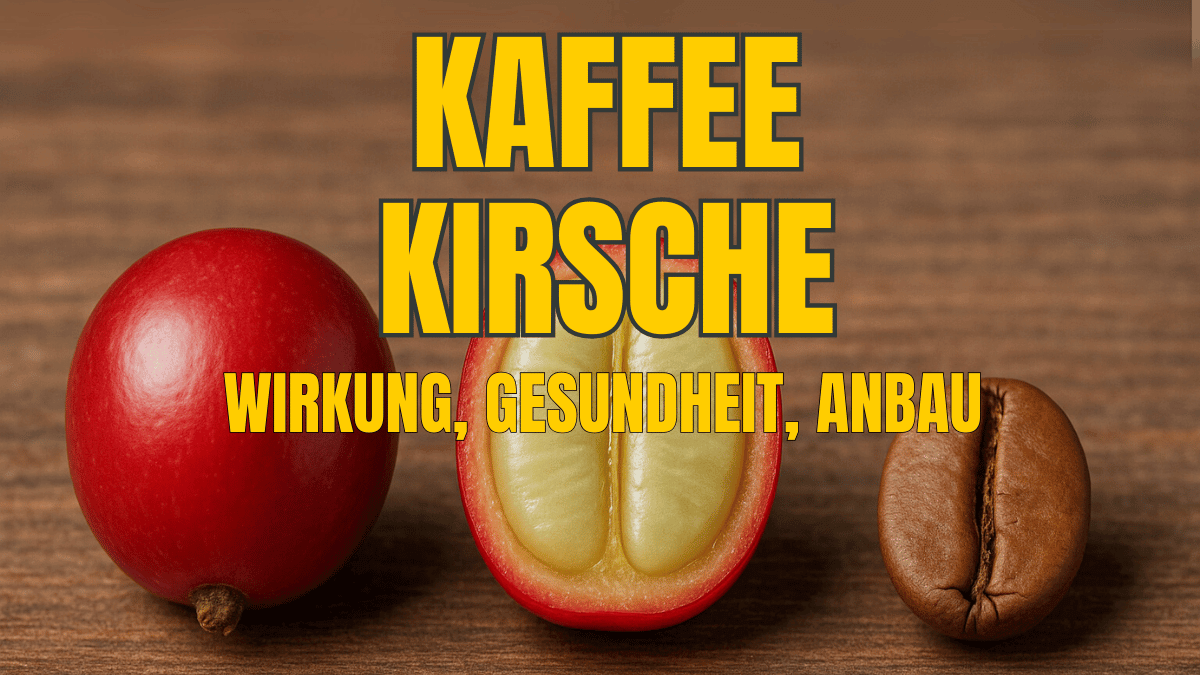
The coffee cherry , also known as cascara or coffee fruit , is the coffee husk of the coffee bean and tastes fruity and sweet, like raisins or cherries. As coffee cherry tea , it provides caffeine (20–30 mg per cup) for a gentle energy boost, antioxidants for the immune system, and supports digestion . Originally used as "qishr" in Ethiopia, cascara is now cultivated in permacultures in Ecuador, reducing waste and promoting sustainability in coffee production.
Table of contents
- Introduction: What is the coffee cherry?
- Structure of the coffee cherry: skin, pulp, bean
- Taste: Fruity-sweet cascara delight
- Effect: Caffeine, Antioxidants & Health
- Cascara tea: preparation & recipe ideas
- History: From Ethiopia to modern Cascara
- Sustainability: Coffee cherries repurposed
- Frequently asked questions about coffee cherries
- Conclusion: Cascara – The new coffee trend
1. Introduction: What is the coffee cherry?
Summary: The coffee cherry , also called cascara or coffee fruit , impresses with its fruity-sweet taste and healthy effects – perfect as a tea .
Do you love coffee and are curious about new trends? Then you should get to know the coffee cherry !
The coffee cherry , often called cascara , is the fruit hull of the coffee bean —also known as the coffee fruit . While the bean usually hovers in the spotlight, the coffee husk has a lot to offer: a fruity-sweet flavor reminiscent of dried cherries or raisins, and a gentle boost from caffeine and antioxidants .
As Cascara tea, it is a healthy treat that has been appreciated in Ethiopia and Yemen for centuries.
In this guide, you'll learn everything about the coffee cherry : its structure, its unique flavor , its health benefits , how to make cascara tea , its history, and its role in sustainable coffee production here in Ecuador . Dive into the world of the coffee fruit !
2. Structure of the coffee cherry: skin, pulp, bean

Summary: The coffee cherry , also called coffee fruit , consists of skin , pulp and bean – each layer has its use.
The coffee cherry is more than just the shell of the familiar coffee bean —it's a complex fruit with multiple layers, each of which plays a role. Whether as cascara for tea or as a raw material for the bean, every part of the coffee fruit has its purpose.
The outermost layer is the husk , also called the exocarp . It is initially green and turns red or yellow when ripe—a sign that the coffee cherry is ready for harvest. This husk protects the fruit and is often dried after harvest to be used as cascara . Cascara —the Spanish word for "husk"—is precisely the dried coffee husk used to make tea.
Beneath lies the pulp , the so-called mesocarp . It is juicy, sweet, and surrounds the coffee beans. The pulp contains sugars and acids that create the typical fruity-sweet flavor of the coffee cherry. In some cultures, it is eaten directly or made into jam, but it is usually removed during coffee production.
Inside the coffee fruit are the coffee beans , or more precisely, the seeds, surrounded by a thin, mucilaginous layer (called the endocarp ). Each coffee cherry contains a bean, which is later roasted and processed into your morning coffee. But while the bean is known worldwide, the coffee hull is often overlooked—but it's a sustainable resource that, as cascara, offers new possibilities.
3. Taste: Fruity-sweet cascara enjoyment

Summary: The coffee cherry tastes fruity and sweet like raisins or cherries.
The coffee cherry is a true taste experience—and distinctly different from the typical coffee flavor of the bean. Cascara , the dried coffee husk of the coffee fruit , develops a fruity-sweet character that surprises many. Imagine a blend of dried cherries , raisins , and a hint of hibiscus : sweet, slightly tart , and with a gentle, fruity note. This is precisely what makes the coffee cherry so special.
The flesh of the coffee fruit is juicy and sweet (reminiscent of apricot), with a delicate acidity reminiscent of red berries . The dried cascara used in our coffee cherry tea has a fruity sweetness with a hint of flowers and a tea-like tartness .
The taste varies among other producers depending on the origin and processing: coffee cherries from Ethiopia often have berry notes , while those from Central America are more reminiscent of apricots .
As coffee cherry tea, cascara unfolds its full aroma: It tastes less like coffee and more like a fruity herbal tea . The sweetness of the peel is enhanced by the natural sugars and fruit acids , which are concentrated during the drying process.
Many describe the taste as refreshing and light —perfect for a healthy snack . Combined with ingredients like cinnamon , orange , lemongrass , or Guayusa Energy Tea, the coffee cherry becomes even more versatile, as you'll learn later in the section on Cascara Tea .
4. Effect: Caffeine, Antioxidants & Health

Summary: The coffee cherry provides caffeine , antioxidants and health support – a boost for your body and mind.
The coffee cherry is not only a delight, but also a health booster . The coffee fruit contains caffeine , antioxidants , and other active ingredients that support your body.
Whether as coffee cherry tea or in other forms, Cascara has a lot to offer. Here's how it works – scientifically based.
4.1 Caffeine: A gentler kick than coffee
Yes, the coffee cherry contains caffeine —but less than the bean. A cup of cascara tea (approx. 400 ml) provides about 20–30 mg of caffeine , compared to 80–150 mg in a cup of coffee (350 ml). This makes it a gentle stimulant .
The caffeine in cascara increases concentration and alertness without the jitters or rapid heartbeat that strong coffee sometimes causes. However, studies show that this performance-enhancing effect is very weak.
The gentle effect comes from the combination of caffeine in the coffee fruit with other compounds like polyphenols that mitigate its effects. This gives you a long-lasting, gentle energy boost , ideal for the afternoon.
In traditional coffee-growing regions like Ethiopia, cascara has long been used as a natural energy source . In Ecuador, our idea was breaking new ground, but everyone loves the new product.
4.2 Antioxidants: Protection for your body
The coffee cherry is rich in antioxidants , particularly polyphenols and chlorogenic acids . Cascara has been found to have a similarly high antioxidant capacity to green tea , and coffee cherries from South America have more than those from Asia . Since our coffee cherries come from agroforestry systems, we can assume they contain even more antioxidants than cherries from monocultures. These antioxidants protect your cells from free radicals , which promote inflammation and aging processes.
The polyphenols in coffee beans can also strengthen the immune system through anti-inflammatory effects. Like chlorogenic acids, they also support heart health by lowering blood pressure and promoting blood circulation .
Cascara is not only delicious, but also a protective shield for your body.
4.3 Digestion & other benefits
The coffee cherry also supports your digestion . The fiber in the coffee husk promotes intestinal health and helps with constipation .
In addition, the polyphenols in cascara contain prebiotic properties that support the growth of healthy gut bacteria. This makes coffee cherry tea an ideal after-dinner drink.
Other benefits : The chlorogenic acids in the coffee fruit can stabilize blood sugar and promote fat burning , which helps with weight control and weight loss. In traditional medicine, cascara is also used for stomach problems or colds due to its antibacterial properties.
5. Cascara tea: preparation & recipe ideas

Summary: Cascara tea from the coffee cherry is easy to prepare and healthy – a fruity treat with a powerful effect .
Cascara tea combines the fruity-sweet flavor of the coffee cherry with health benefits that make it a true superfood beverage . In this section, you'll learn how to prepare cascara tea .
5.1 How to prepare cascara tea
Preparing cascara tea is easy and offers a fruity treat with little effort. Here's a basic recipe and some tips for variations:
Basic recipe:
- 10–15 g coffee cherry tea (approx. 2 tbsp)
- 400 ml water
- Optional: honey, cinnamon or orange peel
Preparation steps:
- Bring the water to a boil.
- Pour the cascara into a teapot or directly into a cup with a tea strainer .
- Pour hot water over them and let the tea steep for 5–10 minutes—the longer, the more intense the flavor. Our coffee cherry tea doesn't get any tastier.
- Optional: Strain the cascara and sweeten with honey if desired, or add a touch of cinnamon to enhance the fruity sweetness .
Tip: For an iced tea , let the coffee cherry tea cool, serve with ice cubes, and a squeeze of lemon juice – perfect for hot days! You can find more recipes in the article "Preparing Cascara Tea: Simple Recipes for Every Day! "
6. History: From Ethiopia to modern Cascara
The coffee cherry is far more than a byproduct of coffee production—it has a fascinating history that stretches back centuries. Today, the coffee fruit , known as cascara , conquers the world, but its roots lie in the coffee-growing regions of Ethiopia and Yemen .
The story of the coffee cherry begins in Ethiopia , the origin of coffee. Legend tells that in the 9th century, the shepherd Kaldi noticed how his goats became more lively after eating red coffee cherries. While coffee beans later became known worldwide, people in Ethiopia and Yemen had been using the coffee husk long before. They brewed it into a coffee cherry tea , then called "Qishr," which was flavored with spices like cinnamon or ginger .
In Yemen, another coffee-growing center, "qishr" was a popular beverage, especially in regions where coffee beans were expensive. Cascara —the Arabic word "qishr" also means "shell"—offered a cost-effective alternative and was prized for its fruity-sweet flavor . In these cultures, the coffee seed was never considered waste, but a valuable part of everyday life.
It wasn't until the 19th century, with the industrialization of coffee production, that the use of the coffee husk fell into disuse. The bean became the primary product, and the cascara was often discarded. But since the 2000s, it has experienced a renaissance: Coffee farms in South America began drying the husks and marketing them as coffee cherry tea . This modern cascara quickly gained acceptance – not only for its taste , but also for its health benefits.
Today, cascara is a global trend: from specialty cafés in Berlin to sustainable projects in Ecuador , like ours at GUYA . The coffee cherry is being rediscovered – as a fruity beverage and as a contribution to sustainability , as described in the next section.
7. Sustainability: Coffee cherries repurposed

The coffee cherry is not only delicious and healthy, but also a key to more sustainable coffee production . For a long time, the coffee husk —the coffee fruit without the bean—was discarded as waste. But with the rediscovery of cascara , it is now being put to new use, benefiting both the environment and coffee farmers.
Instead of throwing away the coffee husk , it is dried and processed into coffee cherry tea – a process that drastically reduces waste.
At GUYA, we rely on agroforestry systems where the coffee fruit is cultivated in permaculture . This method protects biodiversity and soils , while providing farmers with an additional source of income through the sale of cascara .
Sustainability goes even further: Cascara processing uses less water and energy than traditional coffee production, as the husks are simply dried after harvest. Furthermore, the sale of coffee cherry tea can increase coffee farmers' incomes by up to 20%.
The coffee cherry is a perfect example of upcycling : what was supposedly waste is transformed into a healthy and fruity beverage that protects the environment and helps farmers. A truly sustainable trend that demonstrates the coffee fruit's enormous potential!
This trend is actually nothing new, but fortunately it has been rediscovered.
8. Frequently asked questions about coffee cherries
Do you have questions about coffee cherries ? We answer the most common ones here.
❓ What is a coffee cherry ?
A coffee cherry , also known as a coffee fruit , is the fruit covering of the coffee bean . The dried coffee husk , often called cascara , is often used as coffee cherry tea . You can find more detailed information in Section 2, "Structure of the Coffee Cherry ."
❓ What does Cascara taste like?
Cascara tastes fruity and sweet , like a mixture of cherries , raisins , and hibiscus , with berry notes . More in the article under section 3. Taste .
❓ Does Cascara tea contain caffeine ?
Yes, a cup of cascara tea (400 ml) contains about 20–30 mg of caffeine —less than coffee, but enough for a gentle energy boost . Learn more in section 4.1 Caffeine in this article.
❓ How do I prepare coffee cherry tea ?
Pour 2 teaspoons of cascara tea into 400 ml of hot water (100°C) and let it steep for 5–10 minutes. Sweeten to taste, if desired. Detailed information can be found in section 5.1 How to Prepare Cascara Tea .
❓ Is the use of cascara sustainable?
Yes, using coffee husks as cascara tea reduces waste and promotes sustainability . Read more in the article under section 7, Sustainability .
9. Conclusion: Cascara – The new coffee trend
The coffee cherry , also known as cascara or coffee fruit , is more than just a by-product of coffee production – it is a new coffee trend that combines taste, health and sustainability.
Its fruity-sweet flavor , reminiscent of cherries and raisins, makes it a unique treat. Cascara tea is easy to prepare and offers a gentle energy boost from caffeine.
The effects of cascara are impressive: it provides antioxidants , supports digestion and promotes heart health.
Its long history – from Ethiopia to modern use – shows how rich in tradition the coffee cherry is, while today it is revolutionizing the coffee industry as a sustainable resource .


