

What does mate tea taste like compared with Guayusa tea?
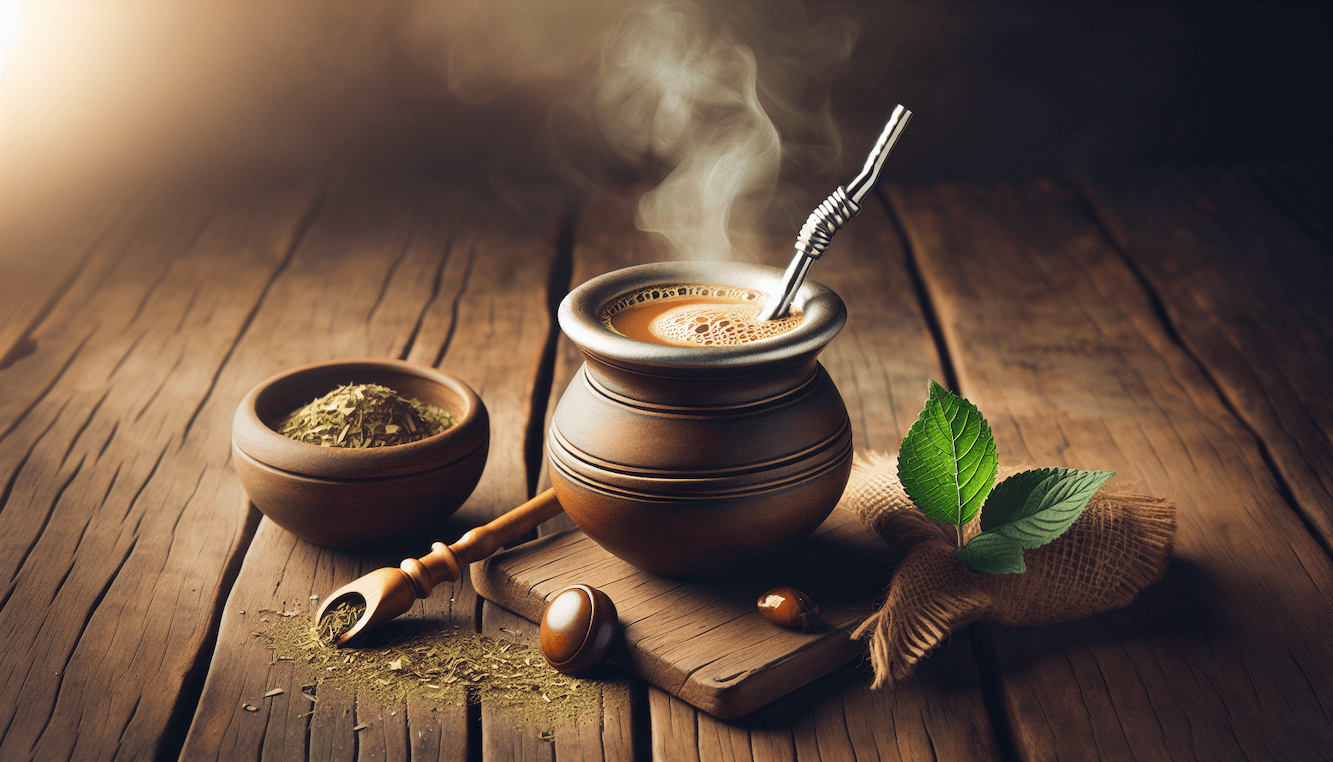
Table of contents
The taste of mate tea
Mate tea is a traditional South American drink known for its intense, distinctive flavours. Here, we look at how it is traditionally prepared and explore some popular variations.
Traditional preparation of mate tea
Mate tea is traditionally made by steeping dried yerba mate leaves in hot water. You will need:
- A gourd (calabash)
- A metal straw (bombilla)
- Yerba mate leaves
- Hot water (70–85 °C)
Here’s how to prepare it:
- Fill the gourd about two-thirds full with yerba mate leaves.
- Tilt the gourd slightly so the leaves form a mound on one side.
- Pour a small splash of cold water over the leaves and let it soak in.
- Place the bombilla in the gourd.
- Slowly pour hot water (70–85 °C) over the leaves.
- Sip the tea through the bombilla and refill with water several times, until the flavour fades.
Sharing mate is often a social ritual: one person (the cebador) prepares the drink, then passes the same calabash and bombilla around the group.
Popular mate tea variations
Mate tea can be prepared and enjoyed in different ways, depending on personal preferences and traditions:
- Tereré: A cold version that is especially popular in Paraguay and north-eastern Argentina. It is made with cold water or juice instead of hot water.
- Mate cocido: A cooked version of mate in which yerba mate leaves are boiled directly in water.
- Chá mate: Commonly drunk in Brazil, where mate tea is sold in tea bags and often sweetened with sugar.
| Variation | Preparation method | Special features |
|---|---|---|
| Tereré | Cold water or juice | Refreshing summer drink |
| Mate cocido | Yerba boiled directly in water | Milder flavour |
| Chá mate | Tea bags steeped in hot water | Often sweetened |
The taste of mate tea varies with the preparation method and any additions, such as sugar or milk. Want to learn more about the benefits of mate tea? Take a look at our article on the benefits of mate tea.
Experiences with the taste of mate tea
To really enjoy yerba mate, it helps to understand how its flavour develops and how to get used to its bitterness.
How the flavour profile develops
The taste of mate tea can be surprising at first. Many people describe it as earthy, grassy and sometimes even ashy, but always bitter. With time and experience, more complex notes such as lemon, chocolate and honey can emerge.
| Stage | Flavour |
|---|---|
| At first | Earthy, grassy and ashy |
| With experience | Lemon, chocolate and honey |
Many tea drinkers say that the bitterness is dominant at first but gradually gives way to a gentle sweetness. It is a little like acquiring a taste for cigars or pipe tobacco: you might dislike the flavour initially, then come to appreciate it over time.
Getting used to the bitter taste
It can take a while to get used to mate tea’s bitterness. Many compare it with acquiring a taste for red wine, expensive cigars or dark coffee. Over time, your palate adjusts to the bitterness and begins to recognise and enjoy the subtler notes.
There are several ways to influence the taste of mate tea and soften its bitterness, including:
- Using water at different temperatures
- Adjusting the amount of mate leaves used
- Soaking the leaves before pouring on the water
- Mixing the mate with herbs or fruit
These methods can significantly change mate tea’s flavour profile and make it more enjoyable to drink.
For more information about mate tea, see our articles on effects of yerba mate tea and how yerba mate tea works. Our article what mate tea can offer also covers its health benefits.
You can find an even more detailed article about yerba mate flavours here:
What does mate tea taste like? How to influence its flavour
Guayusa tea flavour
Like yerba mate, Guayusa tea also comes from a plant in the Ilex genus. Both teas come from South America. Until relatively recently, however, Guayusa remained a closely guarded secret of the Kichwa people.
Guayusa tea does not taste bitter or cause stomach problems, a racing heart, jitters or other side effects associated with caffeinated drinks such as coffee, green tea and yerba mate.
Guayusa is consistently described as sweeter, smoother and fruitier than mate tea. So, if you’re not keen on bitter, smoky flavours, give Guayusa tea a try.
Guayusa contains about twice as much caffeine, and its effects last longer thanks to naturally occurring L-theanine and an antioxidant content approximately four times as high.
You can buy our organic Guayusa tea, grown in forest gardens in the Amazon rainforest, in our shop.
Find out more about how it is grown and the huge difference from growing yerba mate in a monoculture here.