
Ginger for heart & blood pressure: Effects on the circulatory system

Ginger supports heart health by improving circulation and lowering blood pressure. Studies show that 1–4 g daily lowers blood pressure , promotes blood flow , and reduces inflammation in the body by up to 20%. A natural helper for the heart with no side effects .
Table of contents
- Ginger for heart and blood pressure: Does the tuber support circulation?
- How ginger supports the cardiovascular system
- How to use ginger correctly for heart and blood pressure
- Limits and caution: When ginger poses risks
- Frequently asked questions about ginger and cardiovascular health
- Conclusion: Ginger as support for the heart?
1. Ginger for heart and blood pressure: Does the tuber support circulation?
Ginger is more than just a spice:
Many swear that the tuber promotes blood circulation and strengthens the heart. But can ginger really lower blood pressure and support your circulatory system?
In this article, we'll explain how ginger affects the heart and blood vessels, what the science says, and how you can use it safely. Whether you suffer from cold hands or want to boost your heart health, you'll learn everything you need to know here.
Also read how ginger works in general or how it calms your stomach .
Are you already actively using ginger? Share your experiences in the YouTube comments!
2. How ginger supports the cardiovascular system

Ginger can benefit the cardiovascular system in a variety of ways, from improving blood circulation to regulating blood pressure.
Its active ingredients such as gingerol and shogaol have a positive effect on blood vessels and heart muscle .
We'll show you how the tuber works and why it's considered a natural aid for heart health .
2.1. Ginger and blood circulation: Improved blood flow for more oxygen
A 2005 study showed that ginger extract dilated blood vessels and improved blood flow.
The vasodilating effect comes from gingerol , which increases blood flow and thus brings more oxygen to muscles and organs .
In traditional medicine, ginger is often used for cold hands or feet – an indication of this effect.
Read more about the versatile benefits of ginger .
2.2. Blood pressure: Can ginger lower blood pressure?
Ginger also lowers blood pressure by relaxing the blood vessels.
The same study from 2005 also found a blood pressure lowering effect of 10–15% with ginger extract.
A 2019 meta-analysis also showed a reduction in blood pressure in humans of 6.36 mmHg systolic and 2.12 mmHg diastolic.
The effect is significant.
2.3. Ginger and heart health: protection against inflammation and more
Ginger protects the heart through its anti-inflammatory properties.
A 2014 study found that 1.6 grams of ginger daily reduced the inflammatory marker CRP in diabetics by up to 20% .
Its antioxidants, such as shogaol, reduce oxidative stress, which damages blood vessels.
These effects can promote heart health in the long term – in addition, ginger also has a positive influence on healthy digestion .
| Area | effect | study |
|---|---|---|
| blood circulation | Vasodilation, better blood flow | 2005 (Rats) |
| blood pressure | 3.74 mmHg systolic, 2.46 mmHg diastolic | 2019 (people) |
| Heart health | 20% CRP reduction | 2014 (diabetics) |
3. Using ginger correctly for heart and blood pressure
Ginger can support your heart and circulation – but only if you use it correctly.
Proper preparation and dosage are crucial to reap its benefits without risking side effects .
3.1. Recipe: Ginger tea for heart health
A simple ginger tea can promote blood circulation and strengthen your heart.
Ingredients: approx. 4g fresh ginger or 1 teaspoon dried Amazon ginger to 400ml hot water.
Preparation:
- Cut it into thin slices – this releases gingerols .
- Pour boiling water over it and let it steep for 5-10 minutes.
- Strain the slices and add honey – this will reduce the spiciness.
Tip: Drink 1-2 cups daily, ideally in the morning, before a meal or exercise.
3.2. Dosage and tips for everyday use
The right amount is crucial for heart health.
Dosage: approx. 2-4 grams of fresh ginger daily (approx. 1-2 teaspoons grated) or 0.5 to 1 gram dried.
The aforementioned 2014 study used 1.6 grams daily to reduce inflammation and protect the heart.
Tips:
- Add grated ginger to smoothies or soups – simple and delicious.
- Drink ginger water (2-3 slices in 500 ml water) throughout the day.
- Avoid more than 5 grams – according to the NIH overview, this can irritate the stomach.
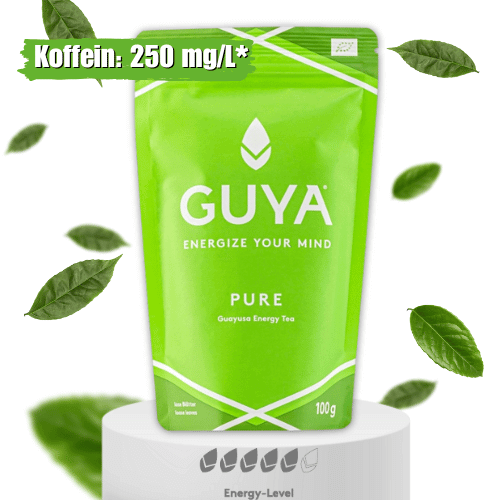
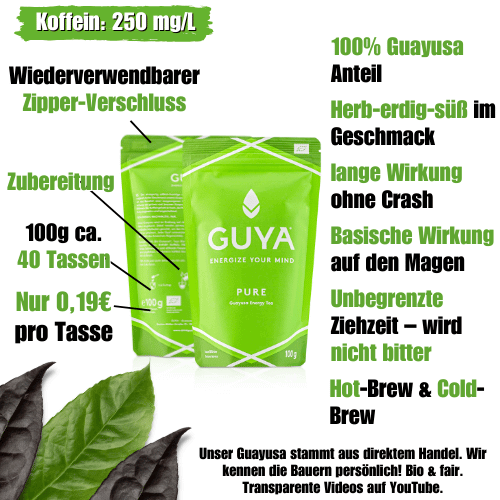
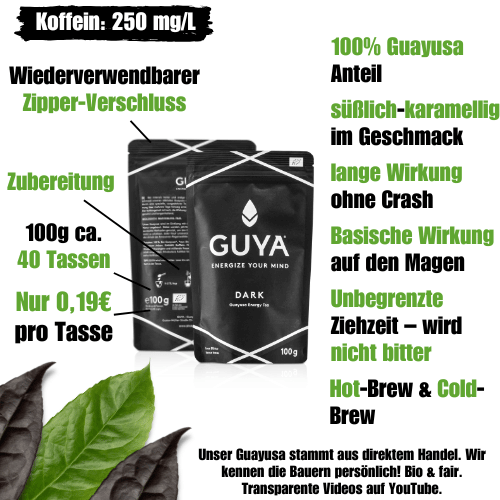
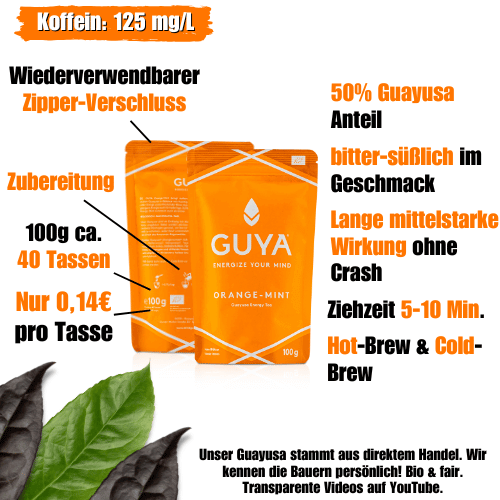
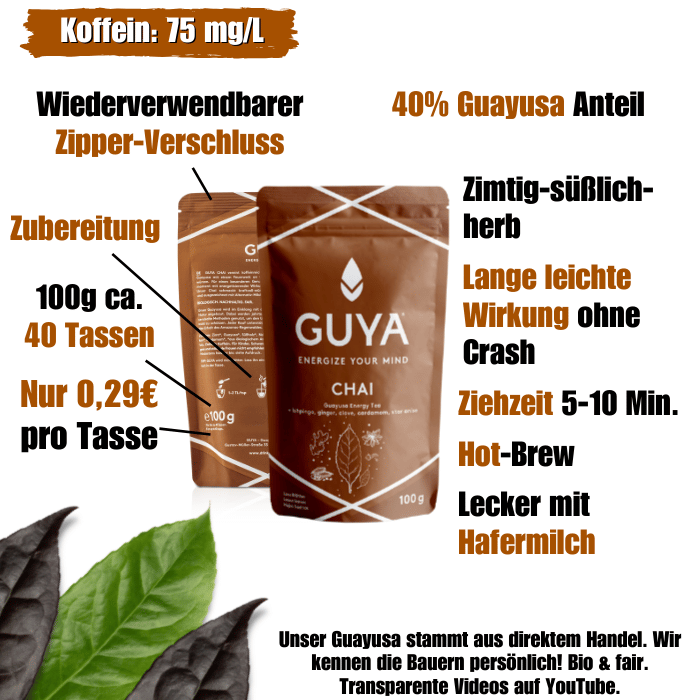
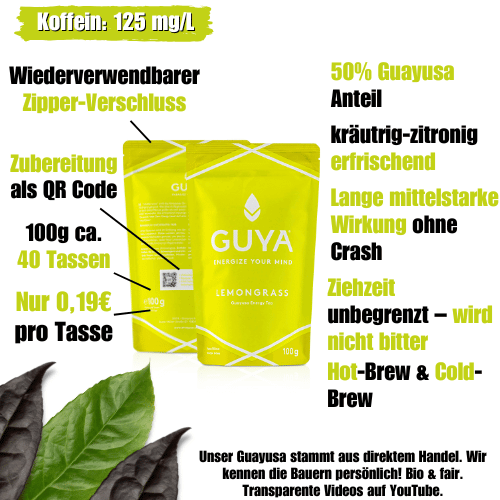
Combine ginger with hibiscus tea for even more antioxidants and an even stronger blood pressure-lowering effect, or guayusa tea for an extra energy boost.
4. Limits and caution: When ginger poses risks
 Ginger can promote heart and circulation, but is not always safe.
In certain cases or if used incorrectly, the tuber can pose risks .
4.1. Side effects of overdose
Too much ginger can cause problems.
An NIH review warns that more than 5 grams of fresh ginger daily can cause heartburn, stomach irritation, or diarrhea.
These effects occur especially in sensitive individuals and when consumed on an empty stomach.
4.2. Drug interactions
Ginger may interact with certain medications .
Ginger relaxes the blood vessels, which could increase the effect of blood pressure lowering drugs or blood thinners (e.g. warfarin ).
Ginger also accelerates gastric emptying , which can affect the absorption of medications . Ginger is therefore often used for digestive problems or for weight loss .
Talk to your doctor if you take medication regularly.
4.3. Risks associated with certain diseases
Caution is advised for some diseases.
Ginger can irritate the mucous membranes in cases of stomach ulcers or gastritis .
If you suffer from gallstones , ginger may stimulate bile production and worsen symptoms.
Read more about this in our article about ginger and digestion .
5. Frequently asked questions about ginger and cardiovascular health
5.1. Does ginger help with high blood pressure?
Yes, ginger can help with high blood pressure. More on this in section 2.2. Blood Pressure: Can Ginger Lower Blood Pressure?
5.2. Does ginger really promote blood circulation?
Yes, ginger can promote blood circulation. Learn more in section 2.1. Ginger and Circulation: Improved Blood Flow for More Oxygen
5.3. Is ginger safe for the heart when taken with medication?
Ginger is safe, but caution should be exercised when taking it with medication.
- Blood pressure lowering medications
- Blood thinning medications
6. Conclusion: Does ginger support the heart?
Can ginger support your heart and circulation?
"Yes!" Studies show that ginger promotes blood circulation, slightly lowers blood pressure , and reduces inflammation —all benefits for heart health.
Further studies show a reduction in blood pressure of 6.36 mmHg systolic and 2.12 mmHg diastolic.
In addition, ginger reduces inflammatory markers such as CRP by up to 20%, which can protect the heart in the long term.
But there are limits: An overdose (>5 grams) can cause stomach irritation, and interactions with medications such as blood thinners are possible.
Ginger is therefore a valuable helper, but not a cure-all.
Try it out: Try our Amazon ginger tea and read more about ginger benefits !