
Ginger & Digestion: Help with gastrointestinal complaints

Ginger promotes digestion and effectively relieves gastrointestinal discomfort . Studies show that it accelerates gastric emptying by 25%, stimulates digestive enzymes, and soothes the bowels in cases of diarrhea . Ginger tea helps with nausea and stomach cramps, while its prokinetic effect relieves constipation. This natural support enhances your well-being, even with small amounts of 0.5-1g per day .
Table of contents
- Ginger & digestion: Does the tuber support the stomach and intestines?
- How ginger promotes digestion
- Ginger for gastrointestinal complaints: What does science say?
- Using ginger correctly for your stomach and intestines
- Limits and caution: When ginger puts a strain on the stomach
- Conclusion: Ginger as a natural digestive aid?
1. Ginger & Digestion: Does the tuber support the stomach and intestines?
Ginger is a popular home remedy for gastrointestinal complaints – from nausea to flatulence.
Many swear that the tuber boosts digestion and soothes the stomach. But how much truth is there to this claim? Can ginger really help with problems like diarrhea or bloating?
In this article, we explain how ginger affects the stomach and intestines, what science says, and how you can use it specifically.
2. How ginger promotes digestion

Ginger works on multiple levels to support digestion. Its bioactive compounds directly influence the stomach and intestines—from emptying to motility.
We explain how ginger helps and why the root is so popular for gastrointestinal complaints.
2.1. Faster gastric emptying: Less bloating
Ginger accelerates gastric emptying – a key to combating bloating and nausea.
A 2008 study showed that 1.2 grams of ginger can reduce bowel movement time by about 25%.
This means food reaches the intestines faster, reducing bloating and easing digestion—ideal for a heavy stomach. Faster gastric emptying means the small intestine fills with digested food sooner, releasing hormones that, in turn, tell the brain that energy supply is secure.
Read more in our article: Ginger for weight loss? Fat burning, metabolism & recipe
2.2. Digestive enzymes: support in food utilization
The pungent compounds in ginger, such as gingerol , stimulate the production of digestive enzymes. These enzymes—found in the saliva or pancreas, for example—break down food more efficiently, improving nutrient absorption.
According to another study , ginger, or gingerol, promotes bile production, which facilitates fat digestion. This makes it a natural aid for sluggish digestion.
2.3. Bowel movement: Help with constipation and diarrhea
Ginger has a prokinetic, or movement-enhancing, effect on the intestines. It can stimulate the intestinal muscles and thus relieve constipation.
At the same time, it has a regulating effect: In cases of diarrhea, its anti-inflammatory properties can soothe irritated bowels. A 2019 study confirms that ginger improves intestinal motility—a bonus for balanced digestion.
3. Ginger for gastrointestinal complaints: What does science say?

Research shows that ginger can help with certain ailments, but it's not always the solution. We look at what studies say about ginger's effects on the stomach and intestines.
3.1. Ginger tea: relief from stomach cramps and nausea
Ginger tea is a classic remedy for stomach upsets—and for good reason. A 2014 study found that ginger reduced nausea in pregnant women by up to 40% thanks to its antiemetic (anti-vomiting) effects.
It can also help with stomach cramps: The spicy ingredients relax the muscles and stimulate blood circulation. It's not an instant solution, but it's a gentle helper for the stomach.
3.2. Ginger for diarrhea: effects and limitations
When it comes to diarrhea, ginger is a double-edged sword. Its anti-inflammatory properties can soothe an irritated bowel, as a 2019 study suggests—especially in mild cases caused by irritable bowel syndrome or infections.
However, in cases of severe diarrhea, e.g. caused by bacteria such as Salmonella , there is no conclusive evidence.
4. Use ginger correctly for stomach and intestines
Ginger can relieve gastrointestinal discomfort – but only when used correctly.
The preparation and quantity determine whether it promotes digestion or irritates the stomach.
Here we show you how to use ginger effectively to soothe your stomach and aid digestion.
4.1. Recipe for digestive ginger tea
This simple ginger tea helps with nausea and supports the stomach:
- Ingredients : 1-2 cm fresh ginger (approx. 5 g), 250-400 ml hot water, optional: 1 teaspoon honey.
-
Preparation :
- Cut it into thin slices – this will ensure the active ingredients are released optimally.
- Pour boiling water over it and let it steep for 5-10 minutes.
- Strain the slices and add honey if desired – this will soften the spiciness and have an additional soothing effect.
- Tip : Drink the tea slowly in small sips, especially when you have stomach cramps or after a heavy meal.
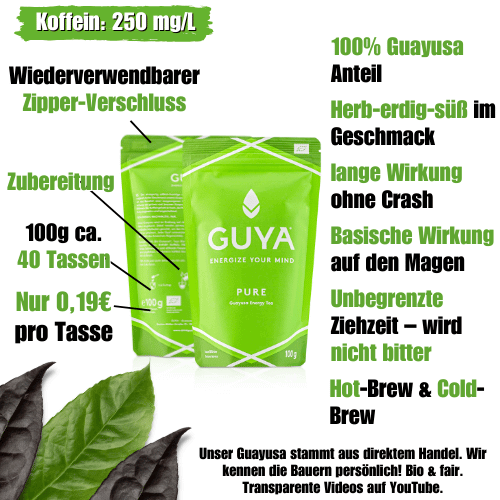
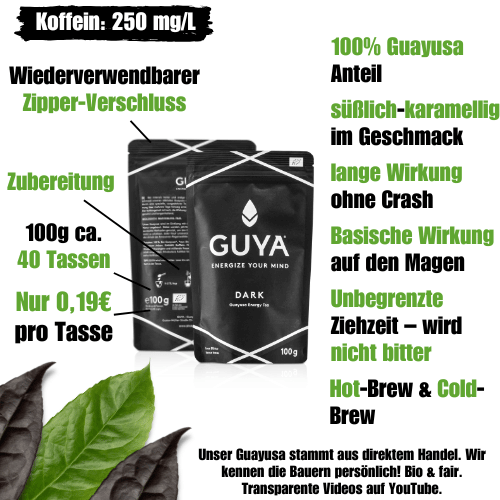
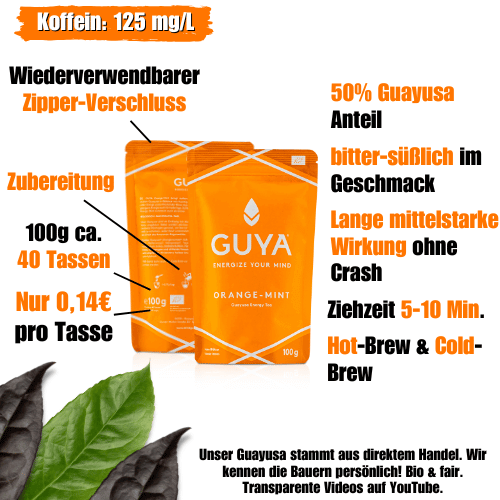
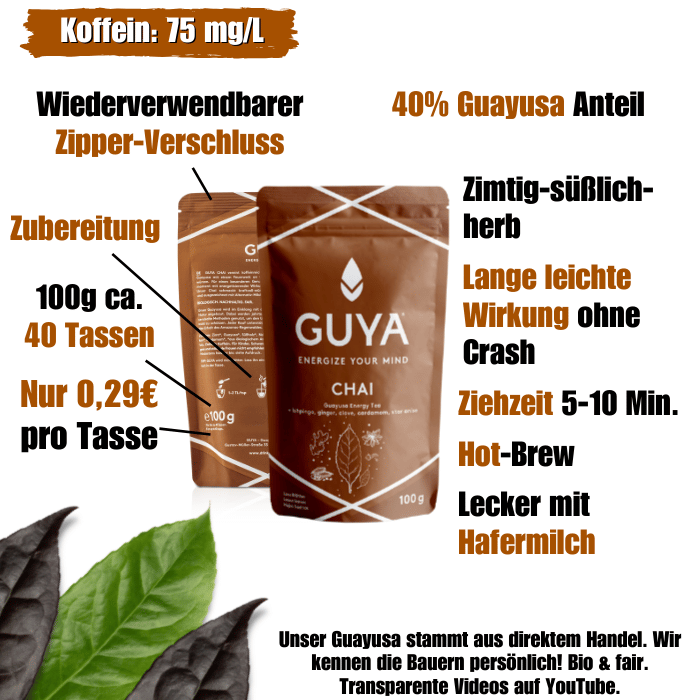
With about 1 gram of ginger per cup, this tea is a gentle soothing remedy for the stomach. As an alternative to fresh ginger, which in Germany usually comes from Asia and contains little gingerol , you can use wild ginger from the Ecuadorian Amazon . This contains up to 2.5 times more active ingredients .
4.2. Dosage and practical tips
Here's how to use ginger correctly to promote digestion:
- Dosage : 1–5 grams of fresh ginger per day (approximately 1–2 teaspoons grated) or 0.5–1 gram dried. More than 5 grams can irritate the stomach.
-
In everyday life :
- Mix grated ginger into soups or rice – this supports fat digestion.
- Chew a small piece of raw ginger (approx. 1 g) for nausea – quick and effective.
- Drink lukewarm ginger water (2–3 slices in 400 ml) throughout the day.
- Note : Start with small amounts, especially if you have a sensitive stomach, and avoid taking ginger on an empty stomach if you are prone to heartburn.
Regular, moderate use is better than large portions – this keeps your stomach happy.
5. Limits and caution: When ginger puts a strain on the stomach

Ginger can aid digestion, but it is not a blessing for every stomach.
In some cases, it can do more harm than good. We'll explain when caution is called for and how you can avoid surprises.
- Irritation in case of overdose : More than 5 grams of fresh ginger daily can cause heartburn or stomach cramps. A review by the NIH warns of these effects, especially in sensitive stomachs.
- Worsening of gastritis : In cases of gastritis or ulcers, ginger can exacerbate irritation. Its pungent ingredients can have a counterproductive effect, so gentler alternatives are better.
- Diarrhea in hypersensitivity patients : While ginger can soothe mild diarrhea, it can trigger an excessive intestinal reaction in some people. This often occurs with high doses or when consumed raw.
- Drug interactions : Ginger may interfere with stomach medications (e.g., antacids) or increase the effects of blood thinners. Talk to your doctor if you take regular medication.
In short: Ginger is a helper, but not a cure-all. Listen to your stomach and adjust the amount to your tolerance.
6. Conclusion: Ginger as a natural digestive aid?
Does ginger really help with digestion?
Yes, in moderation: It accelerates gastric emptying, stimulates enzymes and can soothe the intestines.
Studies show that ginger tea relieves nausea and mild diarrhea – a gentle helper for the stomach.
Ginger is a practical aid for everyday life: 1–5 grams daily, e.g., as a tea or in food, promotes digestion without risk.
Listen to your body and avoid it if you have gastritis.
Curious? Try our recipe for digestive ginger tea with the particularly intense Amazon ginger from Ecuador . And read more in our main article about ginger .