
Ginger & immune system – protection against colds and infections

Ginger strengthens the immune system with gingerol and antioxidants that reduce inflammation, fight infections , and protect cells. Studies show that ginger tea reduces sore throats during colds, has antibiotic properties, and supports the immune system. It's a natural remedy, but not a substitute for medication for serious infections.
Table of contents
- Ginger & the immune system: Does the tuber really support the immune system?
- How ginger strengthens the immune system
- Ginger for colds: What does science say?
- Using ginger correctly for immune defense
- Limits and caution: When ginger doesn't help
- Conclusion: Ginger as natural protection?
1. Ginger & the immune system: Does the tuber really support the immune system?
Ginger is considered a versatile herbal remedy—especially when it comes to strengthening the immune system. Whether as a tea for colds or as a seasoning in food, many swear by the root to ward off infections.
But how much is behind it? Can ginger actually boost the immune system, or is that just a myth?
In this article, we explain what science says, how ginger works, and how you can use it to protect yourself from colds and infections.
2. How ginger strengthens the immune system

Ginger contains bioactive substances that can support the immune system in a variety of ways. From pungent substances to antioxidants, the tuber not only works in the stomach but also on cells that are crucial for our immune system.
2.1. Gingerol & TRPV1: The spicy substance as an immune booster
Gingerol, the main pungent compound in fresh ginger, plays a key role. It activates the TRPV1 receptor in immune cells, which regulates inflammatory responses. A 2013 study shows that gingerol stimulates the production of anti-inflammatory cytokines that keep the immune system in balance . This can help fight off infections early on —but only as a support, not as the sole protection.
2.2. Antibacterial and anti-inflammatory effects
Ginger has antibiotic properties that can be effective against bacteria such as Streptococcus aureus or E. coli . According to a 2012 study, ginger extract inhibits the growth of such germs in the laboratory. It also reduces inflammation, for example in the respiratory tract, which can relieve symptoms of colds such as sore throats . While this effect is not as potent as medication, it is a natural boost for the immune system.
2.3. Antioxidants: Protection against free radicals
Ginger is rich in antioxidants such as shogaol and paradol, which protect cells from oxidative stress . A 2020 study found that these substances neutralize free radicals that arise during infections and can weaken the immune system . This indirectly strengthens the immune system by keeping cells fit —particularly useful during periods of stress or during cold outbreaks.
3. Ginger for colds: What does science say?

Ginger is a classic remedy for colds – whether as a tea or a shot, many people reach for it at the first sign of a cough or cold. But does it really help relieve symptoms or prevent infections?
3.1. Ginger tea: Effective for sore throats and coughs
Ginger tea is often recommended for colds, and for good reason. Its anti-inflammatory compounds, such as gingerol , can soothe irritated mucous membranes.
A 2012 study showed that ginger extract reduces inflammation in the respiratory tract – ideal for sore throats.
In addition, the warmth of the tea stimulates blood circulation , which makes coughing up mucus easier.
3.2. Prevention of infections: fact or myth?
Can ginger prevent infections?
The answer is complex. A 2020 study suggests that the antioxidants in ginger strengthen the immune system by reducing cell damage caused by viruses or bacteria.
The antibacterial effect against germs such as Staphylococcus could also help.
4. Use ginger correctly for immune defense

Ginger can support your immune system – but only if you use it correctly.
Whether as a tea or in your diet, preparation and dosage are crucial to reaping its benefits.
4.1. Recipe for immune-boosting ginger tea
This simple ginger tea is perfect for boosting your immune system – especially during cold season:
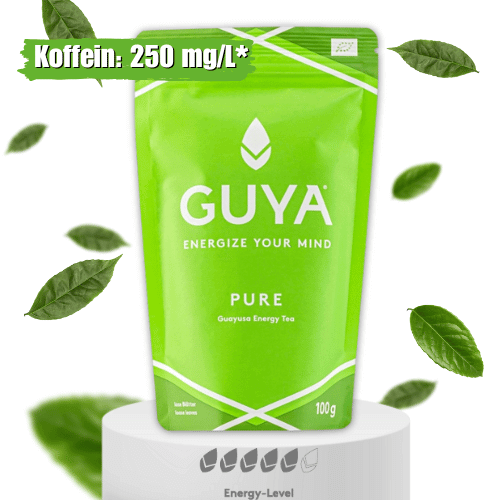
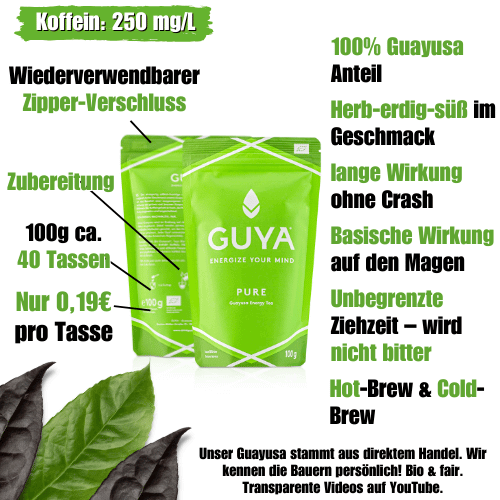
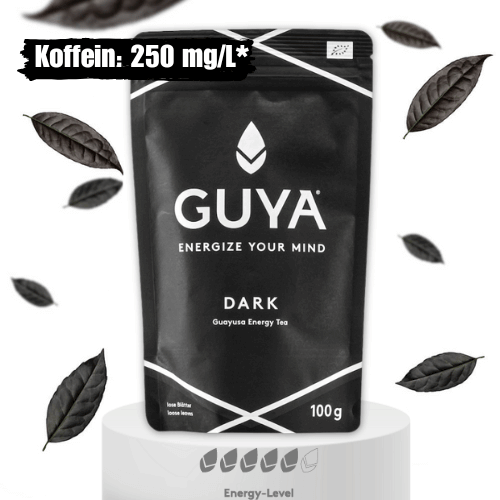
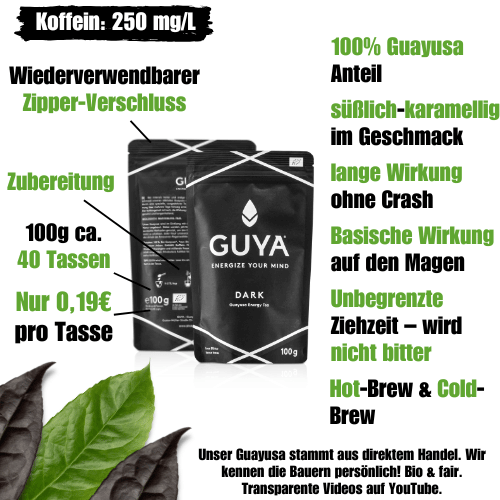
- Ingredients : 2-3 cm fresh ginger, or 1 teaspoon of the particularly intense Amazon ginger (wild ginger) , 250-400 ml hot water, 1 teaspoon honey, 1 dash of lemon juice.
-
Preparation :
- Cut it into thin slices – this maximizes the release of the active ingredients.
- Pour boiling water over it and let it steep for 8-10 minutes – longer won't do any harm.
- Add honey and lemon – both support the immune system.
- Tip : Drink the tea warm, ideally 1-2 times a day at the first signs of a cold.
The combination of gingerol , vitamin C (lemon) and antimicrobial substances (honey) makes this tea a natural helper.
You can also use hibiscus tea instead of lemon. Hibiscus is also rich in vitamin C and helps with colds.
Ginger dosage and tips for everyday life
To ensure ginger boosts your immune system, follow these guidelines:
- Dosage : 2–4 grams of fresh ginger per day (approx. 1–2 teaspoons grated) or 0.5–1 gram dried (powder or pieces).
-
In everyday life :
- Add grated ginger to soups or vegetable dishes – the spicy flavor remains.
- Drink a glass of lukewarm ginger water (3–5 slices in 500 ml of water) in the morning for a gentle immune boost.
- Note : Start with small amounts if you are not used to ginger.
Regularity is key, and moderate use works better than large amounts at once.
5. Limits and caution: When ginger doesn’t help
Ginger can support the immune system, but is not a cure-all.
There are situations where its effect is limited or even requires caution.
- No cure for serious infections : While ginger can reduce inflammation, it is not a substitute for antibiotics or antiviral medications. It is not sufficient as a sole treatment for flu or bacterial infections (e.g., pneumonia).
- Side effects of overdose : More than 4–6 grams of fresh ginger daily can cause heartburn, stomach irritation, or diarrhea. A review by the NIH warns of these effects, especially in susceptible individuals.
- Drug interactions : Ginger has a mild blood-thinning effect and can increase the effects of anticoagulants (e.g., warfarin). Caution is also advised with blood pressure medications—talk to your doctor if you take any medication regularly.
6. Conclusion: Ginger as natural protection?
Is ginger a reliable protector for the immune system?
The answer lies somewhere in the middle: He is not an all-rounder, but a valuable helper.
Its pungent substances such as gingerol support the immune system through anti-inflammatory and antibacterial effects, while antioxidants strengthen the cells.
Studies show that ginger tea can soothe sore throats and boost the immune system — especially during colds. However, it's not sufficient for serious infections or as a sole preventative measure.
Ginger is a simple addition to everyday life: 2–4 grams daily, for example as a tea or in food, offers many benefits without risk.
It is important not to overdose and to be careful with medications.
Want to try it? Check out our immune-boosting ginger tea recipe or read more in our main article on ginger .
The most natural ginger with the highest concentration of active ingredients is wild ginger—also called Amazon ginger or Peruvian ginger. This is smaller and darker than the usual ginger from Asia. You can find it here in our shop.