
Orange tea recipes with cinnamon, mint & more: 5 creative ideas for every season

Orange tea recipes with cinnamon, mint, vanilla, guayusa & rosemary: Discover the effects of orange cinnamon tea , orange mint tea & creative orange tea recipes for every season.
- What makes orange tea so special?
- Recipe 1: Winter Orange Tea with Cinnamon (Ishpingo)
- Recipe 2: Summer tea with orange, mint & lemongrass
- Recipe 3: Vanilla-orange tea for relaxing afternoons
- Recipe 4: Rosemary-Orange Tea for Focus & Clarity
- Recipe 5: Ginger-Orange Iced Tea with a Kick
- FAQ: Preparation, Effects & Origin
1. What makes orange tea so special?
Orange tea is more than just an aromatic fruit tea – it is a true all-rounder for taste, health, and creative recipes.
The combination of essential oils , bitter substances and natural vitamin C makes dried orange peel an underestimated main ingredient for tea blends of all kinds.
1.1 Which ingredients go particularly well with orange?
Orange is surprisingly versatile. Depending on the desired effect or the season, it creates harmonious duos and trios with:
- Cinnamon (Ishpingo) – for warmth, depth and Christmas spice notes
- Mint – for freshness, lightness and cooling summer teas
- Amazonian vanilla – for soft, soothing compositions with a sweet note
- Rosemary – for tart, spicy clarity, ideal for mental exhaustion
- Ginger – for a warming, stimulating effect
These ingredients can be wonderfully combined with our permaculture orange pieces , depending on your mood, season, or effect.
1.2 Health benefits of orange peel & Co.
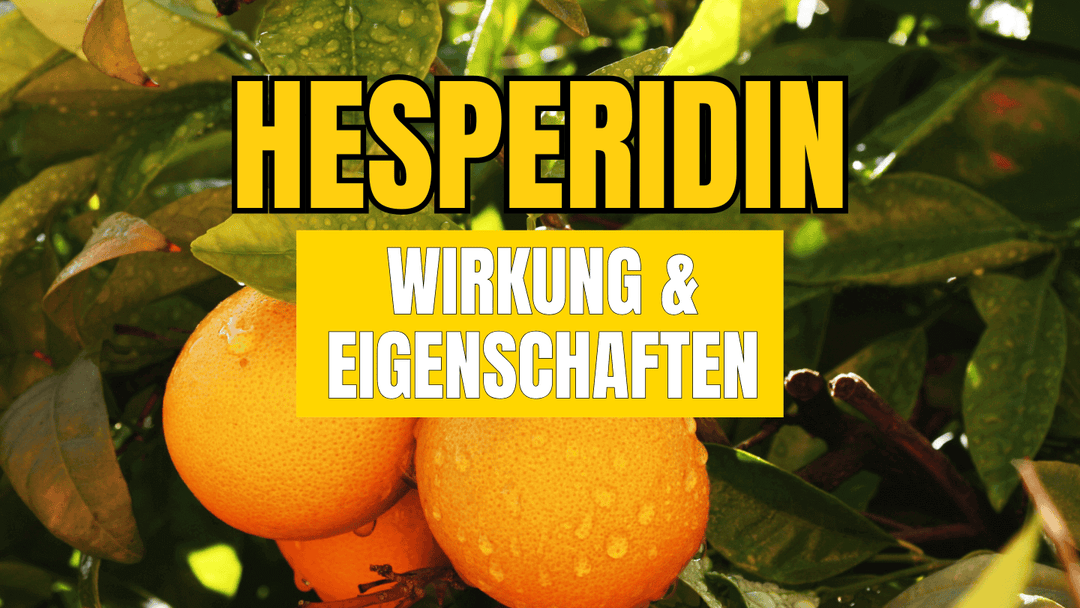
Dried orange peel contains a variety of secondary plant compounds , including hesperidin and naringenin , which have proven antioxidant , anti-inflammatory , and digestive properties. Combined with functional ingredients, it creates a true wellness tea with additional benefits:
- Cinnamon can stabilize blood sugar levels
- Mint has a calming effect on the stomach and mind
- Vanilla has relaxing effects on the limbic system
- Rosemary stimulates blood circulation in the brain
- Guayusa makes you awake and focused
You can find out more about the effects, uses and origins of orange peel in our main article about orange tea .
2. Recipe 1: Winter Orange Tea with Cinnamon (Ishpingo)
This recipe brings together warming spices and deep flavors – ideal for cold winter days or cozy evenings on the sofa.
The Ishpingo cinnamon comes from the Amazon and gives the tea a rounded note – without any sharp cassia cinnamon bitterness.
Ingredients (for 2 cups):
- 1 tbsp dried orange pieces
- 1 tsp dried Ishpingo cinnamon leaves
- 500 ml water
- Optional: ½ tsp vanilla powder or 1 tsp honey
Preparation:
- Boil water.
- Put orange peel and cinnamon into a teapot.
- Pour boiling water over it and let it steep for 8-10 minutes.
- Refine with vanilla or honey as desired and enjoy hot.
Tip: The tea can also be kept warm for hours in a thermos flask – perfect for winter walks or long days at the office.
3. Recipe 2: Summer tea with orange, mint & lemongrass
Fresh, cooling, and citrusy: This summer tea brings lightness to your glass. The combination of loose orange tea, mint, and permaculture lemongrass is invigorating and thirst-quenching—all without sugar or artificial additives.
Ingredients (for approx. 1 liter of iced tea):
- 2 tbsp dried orange pieces
- 1-2 teaspoons dried mint or a few fresh leaves
- 1 teaspoon dried lemongrass
- 1 liter of water
- Optional: ice cubes, fresh orange slices, mint for decoration
Preparation:
- Bring 500 ml of water to a boil.
- Place orange peel, lemongrass and mint in a teapot.
- Pour hot water over it and let it steep for 7-10 minutes.
- Strain, top up with another 500 ml of cold water and chill.
- Garnish with ice cubes, orange slices and mint before serving.
Tip: For extra freshness, add a few drops of lemon juice or a pinch of grated lime zest.
4. Recipe 3: Vanilla-orange tea for relaxing afternoons
Smooth, round, and slightly sweet—this tea is the perfect accompaniment for quiet moments. The combination of loose orange tea and Amazonian vanilla (Vanilla Odorata) unfolds a relaxing, almost meditative effect—all without caffeine.
Ingredients (for 2 cups):
- 1 tbsp dried orange pieces
- ½ tsp vanilla powder or a small vanilla pod (scraped)
- 500 ml water
- Optional: 1 teaspoon cocoa powder or a pinch of cinnamon
Preparation:
- Boil water.
- Put orange pieces, vanilla and, if desired, cocoa peel or cinnamon into a jug.
- Pour hot water over it and let it steep for 10 minutes.
- Strain and enjoy warm – ideal in the afternoon or before bedtime.
Tip: If you want to round off the taste, you can add a dash of plant-based milk for a natural tea latte note.
5. Recipe 4: Rosemary-Orange Tea for Focus & Clarity
Rosemary is known for its concentration-enhancing properties and is traditionally used in herbal medicine for mental stimulation . Combined with loose orange peel , it creates a tea that combines clarity and warmth—perfect for focused mornings or creative afternoons.
Ingredients (for 2 cups):
- 1 tbsp dried orange peel or pieces
- 1 tsp dried rosemary or 1 fresh sprig (organic)
- Optional: ½ tsp lemon peel or 1 tsp guayusa for more energy
- 500 ml water
Preparation:
- Bring water to a boil.
- Put rosemary and orange peel in a jug.
- Pour hot water over it and let it steep for 7-10 minutes.
- Combine with lemon peel or guayusa tea as desired – for a focused start to the day.
Tip: For a cold version, let the tea cool, serve over ice and garnish with a fresh rosemary sprig.
6. Recipe 5: Ginger-Orange Iced Tea with a Kick
This iced tea is the perfect blend of wild Amazonian ginger spiciness and fruity orange depth . It boosts your metabolism, refreshes, and wakes you up—ideal for hot days or as a substitute for energy drinks.
Ingredients (for approx. 1 liter of iced tea):
- 2 tbsp dried orange pieces
- 1–2 teaspoons dried Amazon ginger
- Optional: 1 tsp Guayusa for a natural caffeine kick
- ½ organic orange, sliced
- 1 liter of water
- Ice cubes, fresh mint (optional)
Preparation:
- Boil 500 ml of water and pour over orange peel, ginger and optionally guayusa.
- Let it steep for 7-10 minutes, then strain.
- Top up with another 500 ml of cold water and chill.
- Serve with ice cubes, orange slices and mint.
Tip: For a sugar-free sweetness, you can add a few dried apple pieces.
7. FAQ: Preparation, Effects & Origin
Here you'll find answers to frequently asked questions about orange tea made from loose orange slices and pieces, as well as its most popular ingredients. You can also find more information in our comprehensive orange tea guide .
❓ Why is orange peel healthier than orange juice?
The peel contains far more flavonoids , bitter compounds , and essential oils than the juice. It has antioxidant, anti-inflammatory, and digestive properties—ideal for functional tea. ➜ Discover now
❓ Which ingredient has which effect?
- Cinnamon (Ishpingo): calms & stabilizes blood sugar
- Mint: refreshes & helps with stomach problems
- Vanilla: relaxes & lifts the mood
- Rosemary: increases concentration & focus
- Ginger: stimulating, metabolism-activating & circulation-promoting
- Guayusa : awakens, energizes and focuses
❓ Where do your ingredients come from?
❓ Can I mix the ingredients?
Yes! The recipes presented here can be creatively varied. Note: Cinnamon, ginger, and rosemary have a warming effect – ideal in winter. Mint, vanilla, and citrus fruits cool and soothe – perfect for summer and relaxation.
❓ How long should orange tea brew?
7–10 minutes is ideal. Depending on the blend and desired intensity, up to 15 minutes can be used—especially with spices like cinnamon or rosemary.