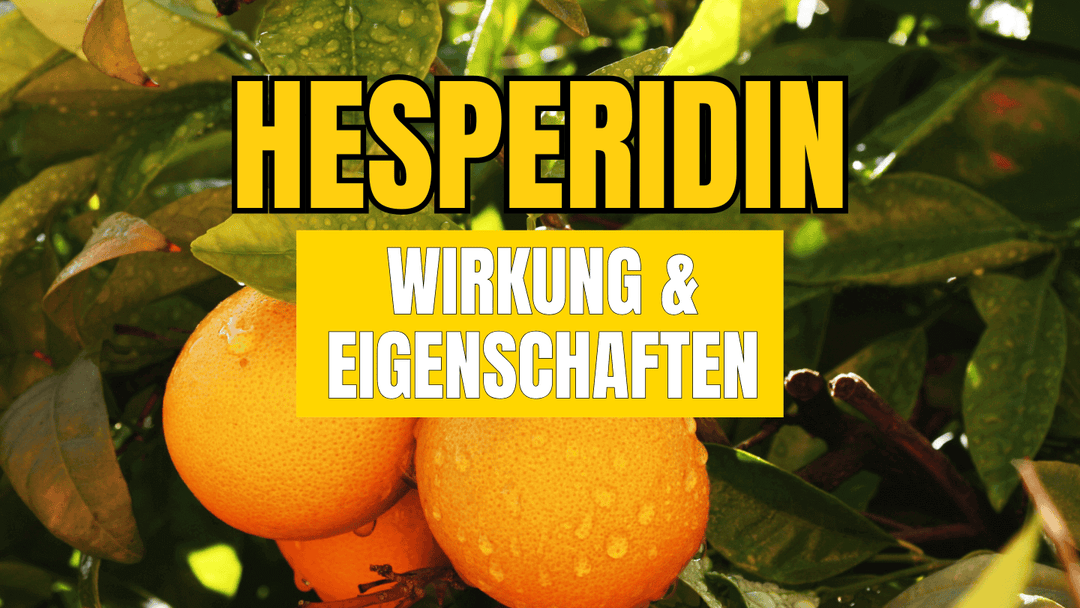

Orange tea effects, uses & health benefits at a glance

The effect of orange tea strengthens the immune system, promotes digestion , and has a mood-enhancing effect – all naturally thanks to essential oils and flavonoids.
- What is orange tea?
- Effects of orange tea on the body
- Use and preparation of orange tea
- Side effects and precautions
- Buy orange tea or make it yourself?
- Conclusion on the effects of orange tea
- FAQ – Frequently asked questions about orange tea
1. What is orange tea?
Orange tea is an aromatic fruit tea made from orange peels or whole dried orange pieces.
It develops a fruity-sweet to bitter aroma (depending on the orange variety) and is often combined with other ingredients such as cinnamon, ginger, lemongrass, hibiscus or herbs.
Orange tea is particularly popular as a warming winter drink or as a refreshing caffeine-free iced tea in the summer.
1.1 What types of orange tea are there?
Basically, the following variants can be distinguished:
- Pure Orange Peel Tea: Made from dried orange peels – known for its essential oils .
- Fruit tea with orange: A mixture of oranges, hibiscus, apple pieces, cinnamon, etc.
- Orange-flavored green or black tea: Combines the caffeine of tea leaves with the fruity flavor of oranges. However, this version lacks the health benefits of oranges and, depending on the flavor, can even be harmful.
- Guayusa Orange Tea: A modern variation with energizing effects thanks to natural caffeine from guayusa and healthy orange spines.
1.2 What is orange tea made from?
The base of orange tea is usually orange peel . It contains essential oils such as D-limonene (a terpene found in all citrus fruits), which are responsible for the characteristic aroma and many of the health-promoting effects . Other components may include:
- Whole, dried orange pieces (including pulp)
- Orange juice concentrate
- Orange blossoms
- Other ingredients such as cinnamon, ginger, hibiscus, cloves, guayusa or mint
1.3 Orange peel vs. orange juice in tea
Orange peels are not only more aromatic but also more beneficial to health than the juice. The peel contains significantly more phytochemicals and essential oils , including flavonoids such as hesperidin and naringenin , which may have antioxidant and anti-inflammatory effects . Learn more about the benefits of orange peel tea in the next section.
In contrast, orange juice only provides vitamin C. In addition, the high fructose content can lead to fluctuations in blood sugar .
For health-oriented tea preparation, the use of dried orange peel is primarily recommended.
2. Effects of orange tea on the body

Orange tea is not only a taste highlight – it can also support your health in many ways.
The secondary plant substances it contains, especially flavonoids from the peel, have antioxidant and anti-inflammatory effects. In addition, it has calming and digestive properties, making it a versatile home remedy .
2.1 Support of the immune system
Dried orange peel contains a high concentration of vitamin C , hesperidin , and other flavonoids that can strengthen the immune system on multiple levels. These substances promote the formation of white blood cells and have antiviral and antibacterial effects. Orange tea can therefore help ward off infections or make them less severe, especially during cold season.
2.2 Promoting digestion and intestinal health
Orange peels contain natural bitter compounds that stimulate digestive juices and thus support stomach and intestinal function . At the same time, the tea has a gentle carminative effect and can be helpful for mild stomach upsets or a sluggish bowel.
In naturopathy, citrus peels are also traditionally used to treat feelings of fullness and loss of appetite .
2.3 Orange tea and its effect on the psyche
The essential oil D-limonene contained in orange peels not only has physical effects, but can also have a mood-enhancing and anxiety-relieving effect.
Studies show that citrus scents can calm the nervous system and influence the release of serotonin and dopamine . Drinking orange tea in the evening can therefore be a natural aid to calm down.
2.4 Anti-inflammatory and antioxidant effects of orange tea
The flavonoids hesperidin and naringenin are powerful antioxidants. They neutralize free radicals, protect cells, and thus have a cytoprotective effect .
At the same time, they inhibit inflammatory processes in the body. This makes the effect of orange tea particularly interesting for chronic inflammation or for general prevention.
Studies also show that the flavonoids in oranges can counteract cancer growth .
2.5 Can orange tea help you lose weight?
The combination of bitter substances, essential oils and low calorie content makes orange tea a popular drink during diet phases.
It can promote the feeling of satiety (due to the bitter substances), reduce cravings for sweets and, due to its high potassium content, support the body in excreting water retention .
Especially in combination with metabolism-activating ingredients such as cinnamon or guayusa tea, orange tea can be a gentle companion for weight loss.
3. Use and preparation of orange tea

Whether brewed hot or enjoyed cold – orange tea can be prepared in many different ways and refined as desired.
It is important to use untreated orange peels or high-quality tea blends in organic quality or, better yet, from permaculture and forest gardens .
3.1 Classic recipe with orange peel
For a pure orange peel tea you only need a few ingredients:
- 1 tbsp dried orange peels e.g. our Amazon bitter oranges from holistic forest gardens
- 250 to 400 ml boiling water
Preparation: Pour boiling water over the orange peels and let them steep for about 8–10 minutes . Then strain and add a little honey or cinnamon to taste.
This version is ideal for calming down in the evening or as a gentle accompaniment after a hearty meal.
3.2 Orange tea with other ingredients (e.g. cinnamon, ginger, guayusa)
Orange tea can be excellently combined with warming spices and adaptogenic plants to enhance or diversify its effects:
- Cinnamon: Supports blood sugar levels and enhances the sweet and spicy aroma. Our Amazon cinnamon leaf also contains no carcinogenic substances like conventional cassia cinnamon.
- Ginger: stimulates circulation and helps with nausea. Wild ginger has up to three times more active ingredients than conventional Asian ginger.
- Guayusa: delivers natural caffeine without the jitters. Long-lasting and focus-enhancing—ideal as a morning ritual. You can find various Guayusa teas in our shop .
Preparation tip: Use 1 teaspoon each of orange peel, cinnamon, and ginger, plus 1 teaspoon of guayusa. Pour over 400 ml of boiling water and let it steep for 5–7 minutes.
3.3 Cold orange tea as a refreshing summer drink
Orange tea is also a real treat as iced tea – especially on hot days:
- Prepare your orange tea as usual
- Let it cool and place it in the refrigerator for 2-3 hours
- When serving, add ice cubes , fresh mint and, if desired, a squeeze of lemon juice .
- When preparing it, you can also mix oranges with lemongrass to have a delicious fresh tea immediately after cooling.
This version is not only low in sugar , but also a real highlight for summer parties or detox days.
4. Side effects and precautions
Orange tea is generally considered well-tolerated. However, there are certain situations and groups of people where caution is advised.
4.1 Who should avoid orange tea?
Although orange peels offer many health benefits, there are some groups who should exercise caution when consuming them regularly:
- Pregnant women: The essential oils contained in this tea can induce labor in large quantities. However, orange tea is safe in small amounts, but if you are unsure, you should seek medical advice.
- People with sensitive stomachs: The bitter substances and acids in orange peel can, in some cases, cause stomach irritation – especially on an empty stomach.
- Children under 3 years: Due to the concentration of essential oils, young children should only drink orange tea in moderation.
4.2 Drug interactions
Similar to grapefruit, orange peels contain bioactive plant compounds that can affect certain liver enzymes (e.g., CYP3A4) . This can lead to altered metabolism of medications —e.g. , antihypertensive drugs, cholesterol-lowering drugs , or certain psychotropic drugs.
Anyone who regularly takes medication should therefore discuss the intake of orange tea with a doctor or pharmacist beforehand.
5. Buy orange tea or make it yourself?
If you want to enjoy orange tea , you have the choice: make it yourself from dried peels or use ready-made blends.
Both variants have their advantages and disadvantages – quality, origin and processing are crucial .
5.1 What you should pay attention to when buying
When buying orange tea or dried orange peels, you should pay attention to the following points:
- Quality: Conventional oranges are often heavily contaminated with pesticides—especially the peel. Only untreated oranges from certified organic farming, or even better, from permaculture or forest gardens, like our Amazon oranges, are suitable for consumption as tea.
- Transparent origins: Look for transparent producers who don't just rely on labels, but who know their producers themselves and are on-site. You can watch our transparency videos on our YouTube channel .
- Gentle drying: To preserve active ingredients, orange peels should be dried at low temperatures.
GUYA founder Sebastian Freidank harvesting oranges in Ecuador.
5.2 Organic orange peels vs. conventional products
Organic orange peels usually come from farms that avoid the use of synthetic chemical pesticides. This means they contain significantly fewer residues and more secondary plant compounds , as the plant produces its own defense mechanisms. However, pesticides are still used here, as organic farms still rely on monocultures .
Conventional products, on the other hand, are often sulphurized , flavored or come from mass production with high pesticide use and low nutrient content.
Anyone who wants to enjoy the health benefits of orange tea should therefore always choose high-quality organic products – or even better: natural wild harvests or permaculture .
It has actually been found that foods have different nutrient densities depending on the cultivation method and seed selection. In the case of orange tea, this also means that the effects of high-quality oranges are better than those from conventional cultivation.
| Cultivation method | Nutrient content | Rating (Rank) |
|---|---|---|
| Conventional cultivation | Low – due to the use of pesticides and artificial fertilizers, few secondary plant substances | 🔻 Rank 3 (lowest) |
| Organic farming | Medium – no synthetic pesticides, more natural defenses, higher nutrient content | ⏺ Rank 2 (medium) |
| Permaculture / Forest Gardens | High – natural diversity, living soils, maximum content of micronutrients & antioxidants | 🔼 Rank 1 (highest) |
6. Conclusion on the effect of orange tea
Orange tea is much more than just an aromatic fruit tea – it is a natural home remedy with holistic benefits and effects for body and mind.
The essential oils and flavonoids from orange peel have a variety of positive effects: They strengthen the immune system , promote digestion , lift the mood , and help reduce stress . At the same time, orange tea is easy to digest, calorie-free , and can be combined flexibly—for example, with cinnamon, guayusa, or ginger.
The quality of the ingredients is particularly noteworthy: While conventional teas often contain few active ingredients, products from organic farming and especially from permaculture and forest gardens offer significantly greater health potential.
Whether brewed hot in winter or as iced tea in summer : If you want to do something good for your body, orange tea is an all-round effective and natural alternative to conventional drinks.
7. Frequently asked questions about orange tea
Do you have questions about the effects or preparation of orange tea? Here you'll find comprehensive answers to the most frequently asked questions.
❓ Does orange tea really have a calming effect?
Yes . The D-limonene contained in orange peel has been proven to have a mood-enhancing and anxiety-relieving effect. Studies show that citrus scents calm the nervous system and promote serotonin release.
❓ Can I dry orange peels myself?
Yes, absolutely. Use only untreated oranges . Peel them thinly, dry them at a maximum of 40°C (104°F) in the air or in a dehydrator , and store them in an airtight container. This preserves the essential oils.
❓ Does orange tea contain caffeine?
No – pure orange peel tea is completely caffeine-free . Only when combined with caffeinated plants like guayusa does it have a stimulating effect.
❓ Is orange tea suitable for children?
In small quantities, yes —for example, as a mild fruit tea. Make sure it doesn't contain highly concentrated essential oils.
❓ What is better: orange peel or juice in tea?
Clearly the peel . It contains the valuable flavonoids , bitter compounds , and essential oils , while the juice loses its potency when heated and adds unnecessary sugar.